Tag: climate breakdown

  • Field notes from chaos

    The wind was getting up. The waves were starting to blow in from different directions. The sea scape seemed to be changing at random. The day before, the waves had been rolling in with a nice rhythm.

    This is another blog post that comes from the sea. And this one is about chaos. One characteristic of chaotic systems is the rules of the system keep changing. And this seemed to be what was happening around me. The wind was gusting from different directions, the tide was turning, the sun was coming in and out from behind clouds. And all of this was making a chaotic mess of the surface of the water.

    Standing there trying to figure out what was going on I started to think about ways of coping with chaos. Think of these as working notes rather than a developed theory. 

    Get into the field – the sea looked messy from the shore but only in the water could I really feel how changeable it was. 

    The signal in the noise – there can be a lot of randomness but are there underlying patterns. There did seem to be a beat of waves heading in to the shore, confused by another set rolling in from the side. When you find a pattern in the system it is easier to work with. 

    Notice when the pattern ends – the rules of chaotic systems change. A pattern in the system is only useful as long as it persists. Look out for the pattern changing. 

    Think on your feet – you can’t rely on the normal patterns of working (see yesterday’s post on creating cycles in work). Instead you have to make the most of the situation you are in. 

    Learning is difficult – if learning relies on loops of action and reflection, then learning is much harder when the conditions keep changing.

    Chaos is tiring – if you are constantly on alert trying to figure out what is going on then you are not getting time to rest and recuperate. 

    Writing these notes up I am left wondering:

    • How can we support ourselves, other people and organisations when they enter into periods of chaos?
    • How might our own actions, behaviours and design decisions cause chaos for others?
    • How might we design for increasing chaos as climate breakdown rolls on?
  • Cher-Loire confluence to Saumur

    Cher-Loire confluence to Saumur

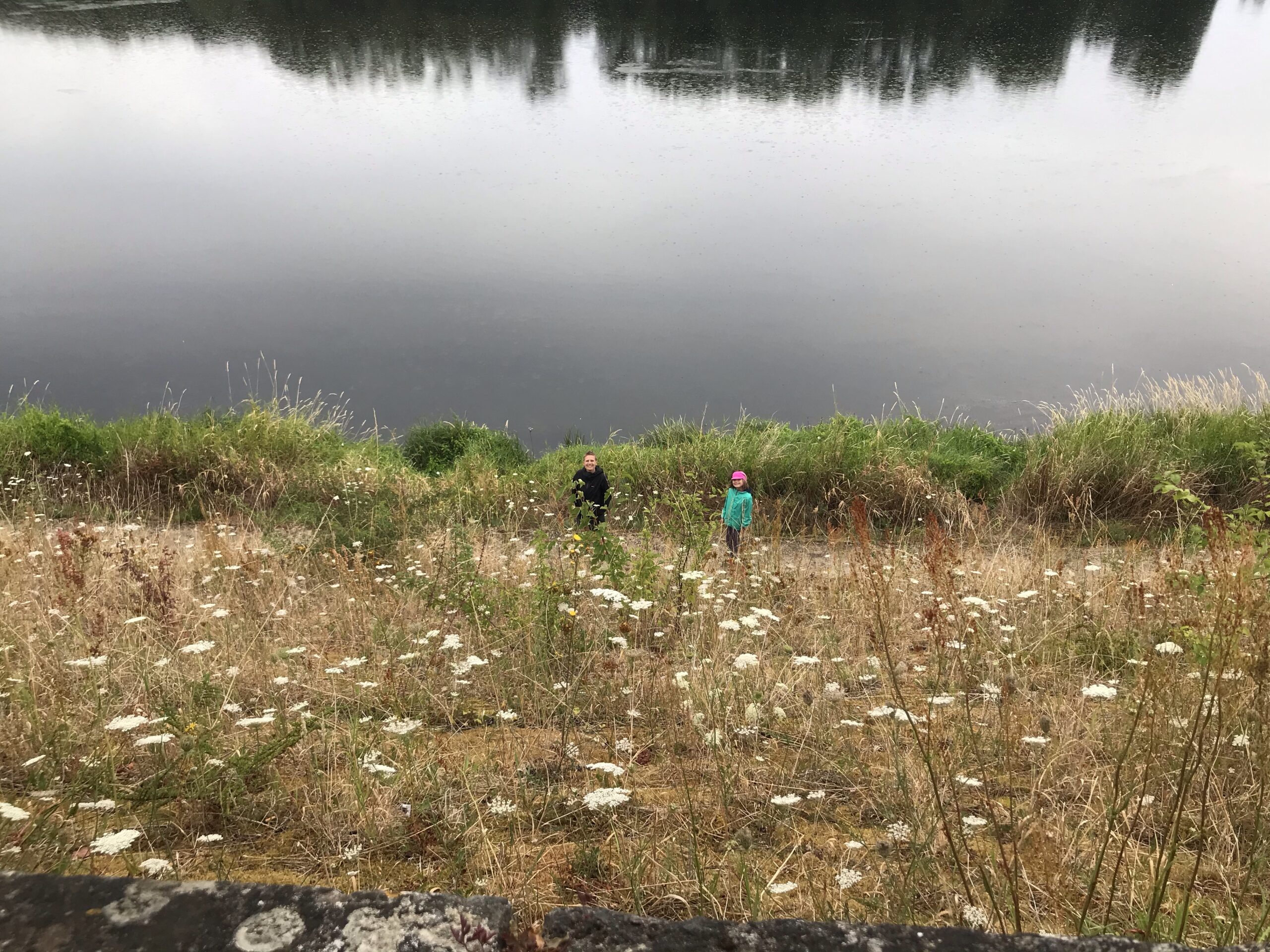
    The one night we decided to sleep with out a tent and it rained. Only a few spots at around 5am, but enough to wake me and wonder if we should abandon camp. It was still dark. I decided to hope for the best and go back to sleep. Half-an-hour later we were woken by torch lights. This time fishers hoping to find a quiet spot for an early stint with the rod. I think were as surprised by them as they were by us. We got up and watched the dawn light up the water for two hours.

    We cycled 10km to find breakfast, the morning still a welcome cool temperature and overcast. We were happy to reach Bréhemont, perched on the dyke above a sweep in the Loire. Since the confluence with the Cher the river has changed character. A bit wider with sand banks that make great habitats for birds. We saw bird watchers along the banks with their telescopes.

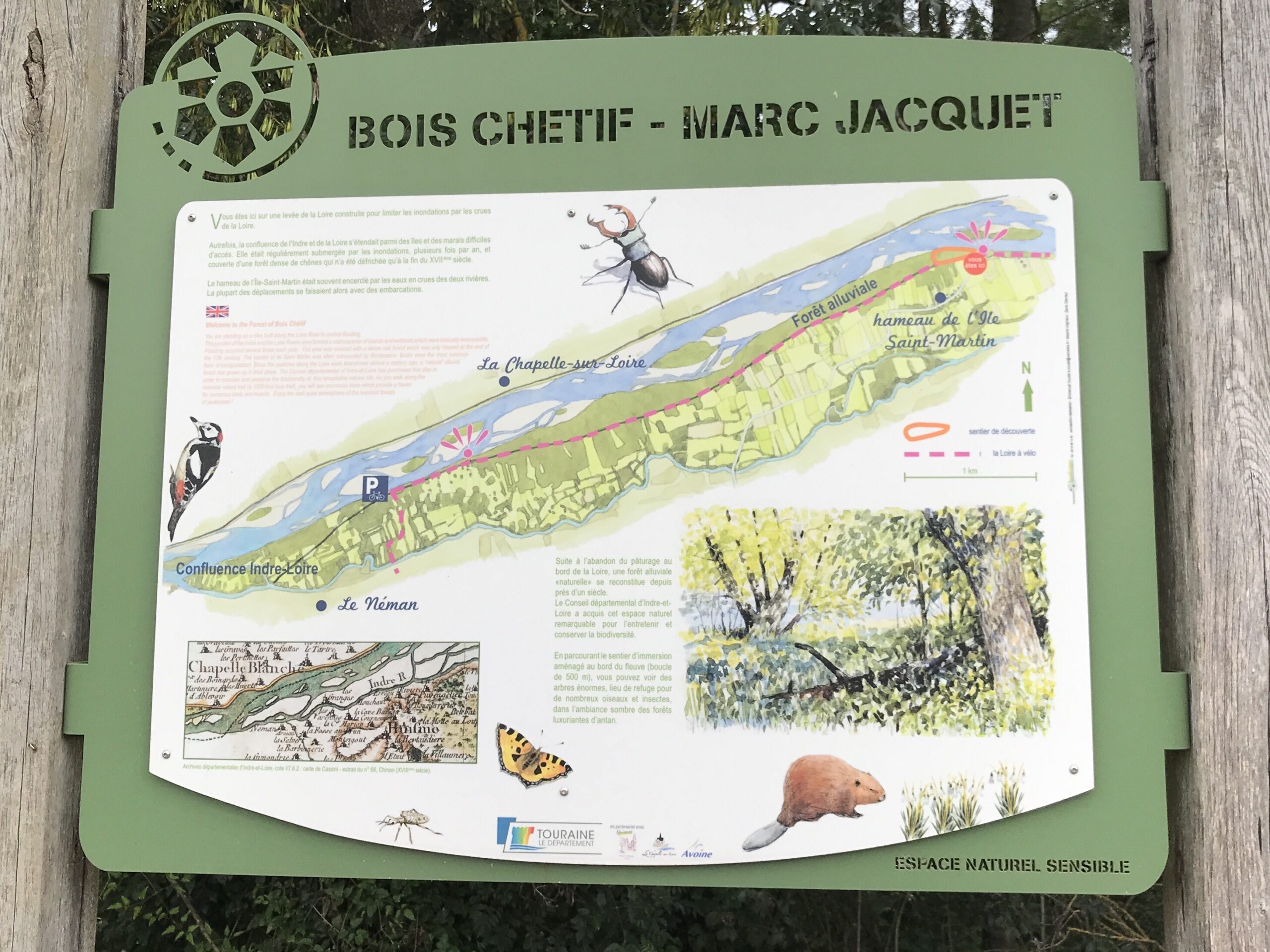
    The next section of path passes through a reforested area of land between the dyke and the river. Long ago the river borders were marshy woodlands that would flood several times a year. The marshes were drained to make agricultural land but now the terrain is being left to return to rich woodland. The space is cool and lush. We followed an enormous bird of prey which glided down the cycle path ahead of us through the trees.

    Boos Chetif- Marc Jacquet

    Lunch in Avoine, a great example of a town that has invested in its public spaces to create an environment that attracts visitors and supports civic life as well. A lovely town square, well appointed with cafe, tabac, supermarket, boulangerie and street market. Spaces for parking bikes and doing maintenance. A water feature.

    We cross the Indre river, a tributary of the Loire, and enter the valley of the next tributary, the Vianne. We find a friendly looking campsite, very laid back with furniture out by the river, and we wade in the Vianne’s waters- colder than the Cher last night.

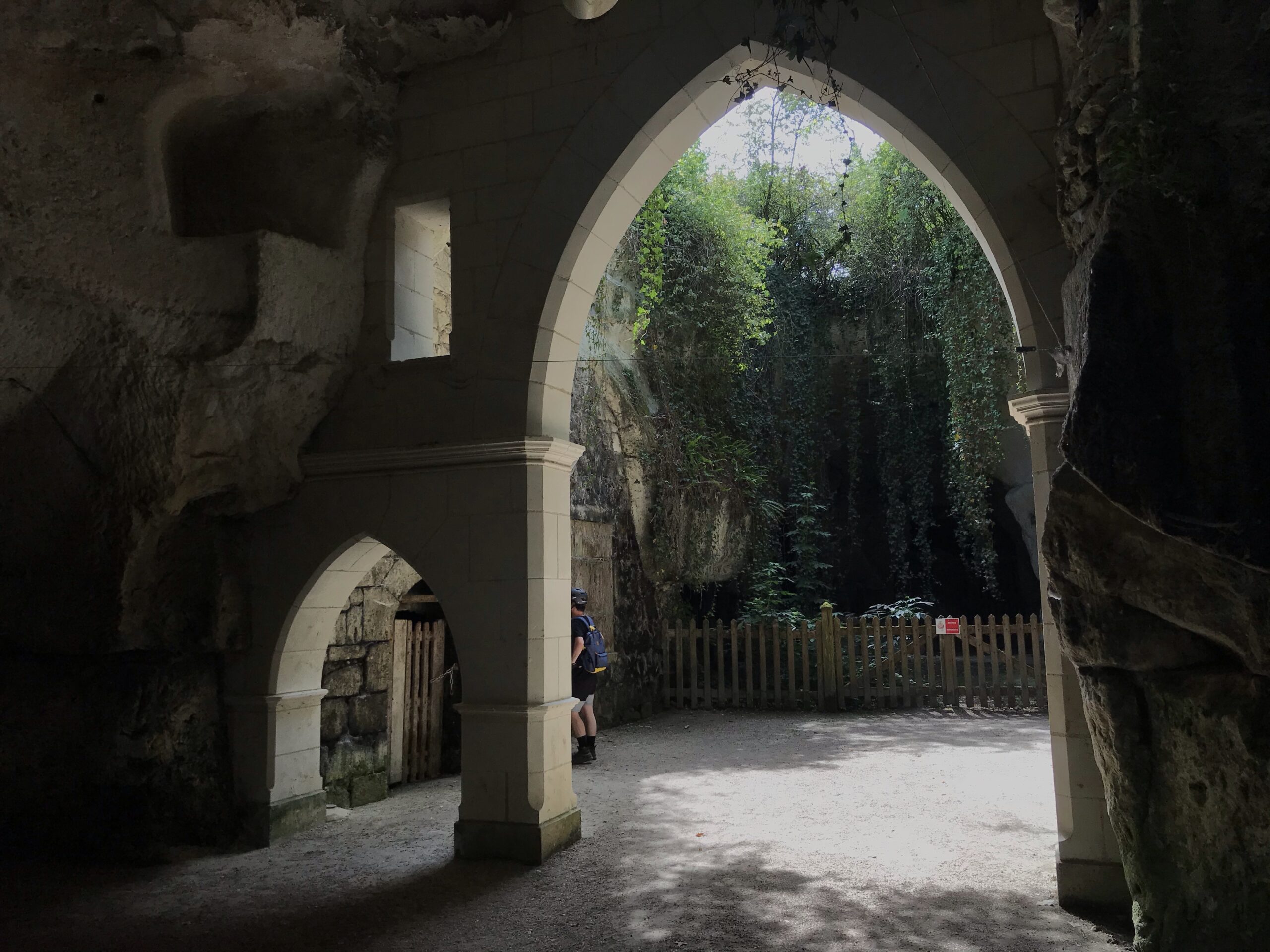
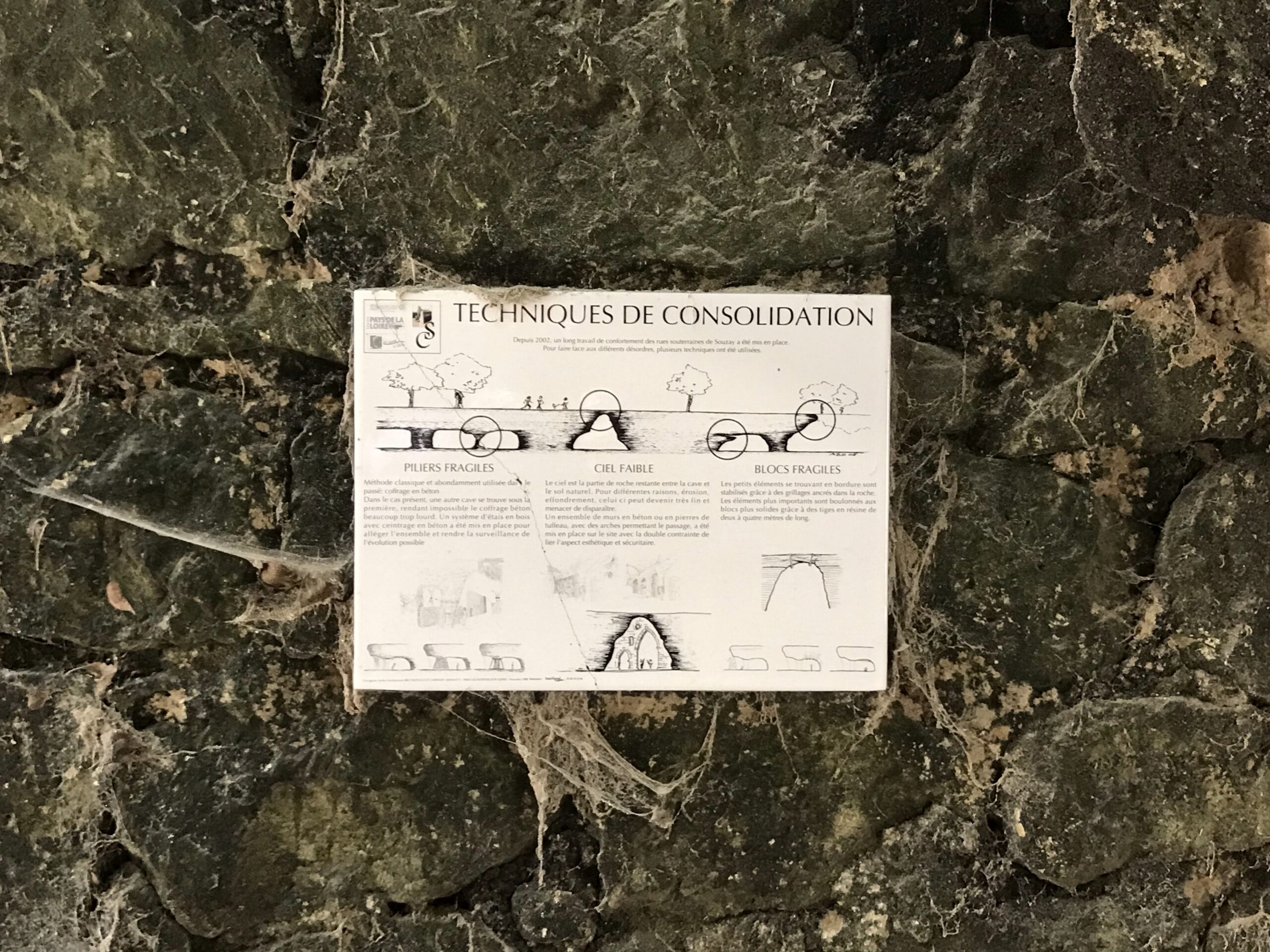
    Approaching Saumur, we climb up the valley sides to the plateau above where the regions famous grapes are grown. The path then winds down again and suddenly takes you underground into a recently-restored subterranean village. Not long ago the village high street was in a deep canyon in the limestone. The shops were in eroded and excavated caves to either side. Plants hung down from above, adding additional shade to prevent the sun overhead from heating the space too much. After the heat of the hills the space was so refreshingly cool.

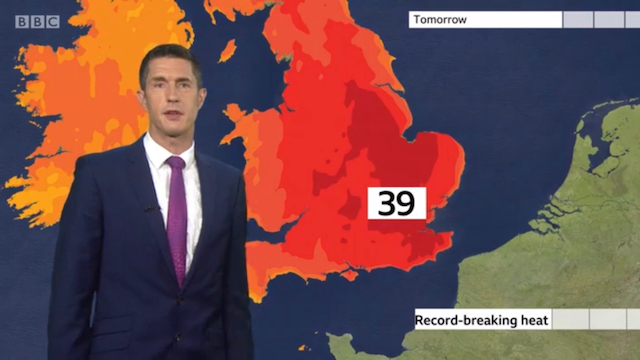
    These incredible underground spaces are from the past but they could be the future too. All around us the signs of a climate heating up are increasingly obvious. It feels almost unbearable to be out in the midday sun and yet here is a way to live in the cool in the hottest place in the valley that uses just the shade and the coolness of the earth to create habitable conditions.

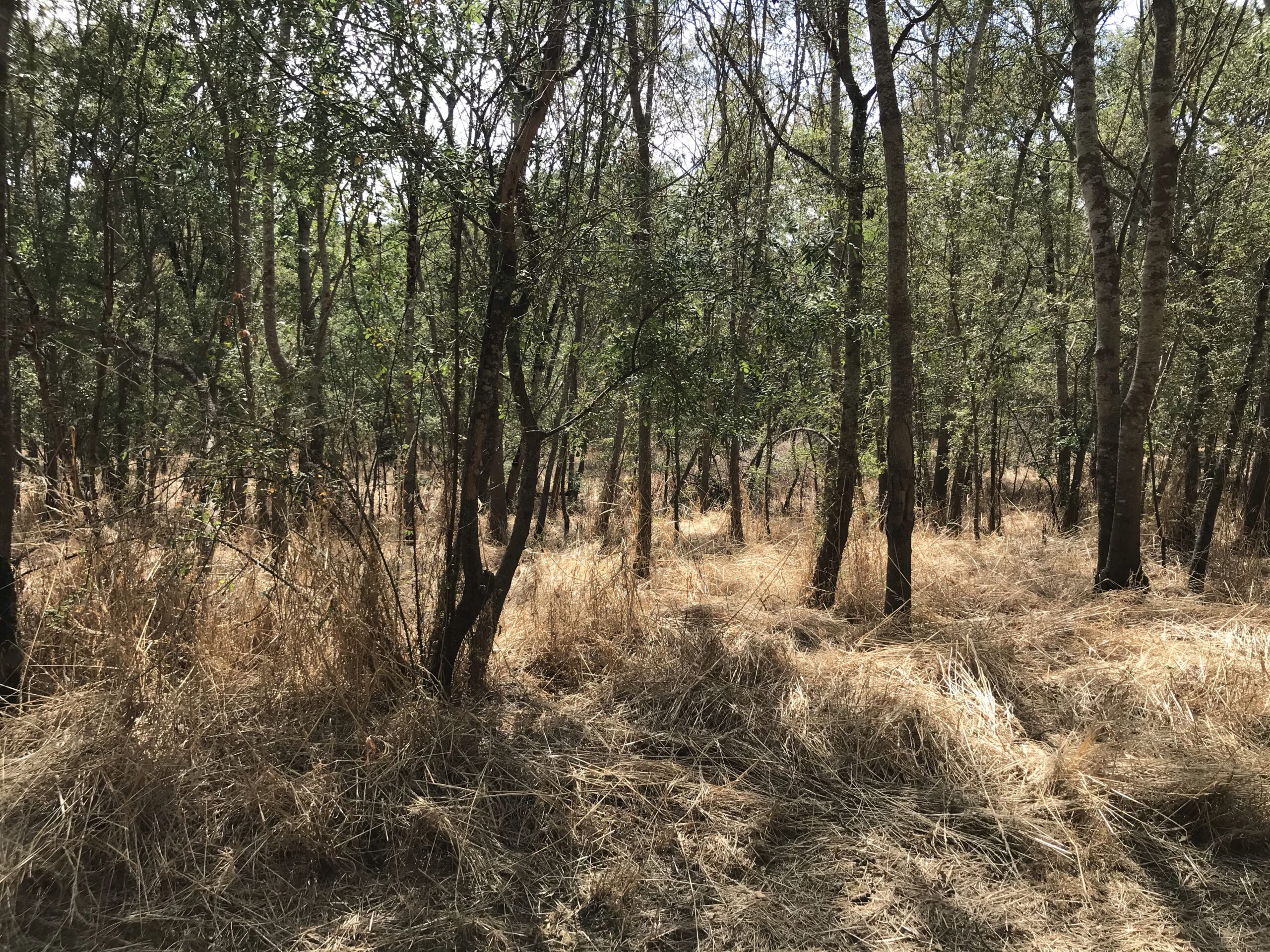
    As if to emphasise the impact of climate heating locally, we cycled out of the underground village and almost immediately into a bone-try forest. But this isn’t the south of France, it’s the middle bit. This is not normal.

    In Saumur we camped on the island in the middle of town. Camp sites on islands in rivers close to big towns seems to be a common format of civic infrastructure in France. Perhaps it is common more widely to European countries with wide rivers running through them. I enjoy being able to step out from your tent, cross the bridge and absorb the evening atmosphere.

    The strange feeling we had though in Saumur is of a place that is in the middle of a heat crisis but no one seems to mind. As long as the wine is cold.

  • When government bans protest against our projects, engineers must put down their tools

    When government bans protest against our projects, engineers must put down their tools

    The cornerstone of our democracy is the right to protest. At the moment the government is pushing through amendments to the Police, Crime, Sentencing and Courts Bill that would make it illegal to protest at a range of infrastructure sites.

    The Government is intending to use the latest amendment to

    introduce a new offence of interfering with the operation of key infrastructure, such as the strategic road network, railways, sea ports, airports, oil refineries and printing presses, carrying a maximum penalty of 12 months’ imprisonment, an unlimited fine, or both

    George Monbiot citing in the guardian a private letter to members of the House of Lords

    This is on top of the existing authoritarian measures in the bill. For instance, named individuals can be banned from protesting. If I write a post encouraging readers to attend a protest, I can be individually banned from protesting. If I turn up anyway, under these new measures, I can be sent to prison for 51 weeks.

    Why is the government doing this?

    Well, I suspect it is because they know that protest works, as demonstrated by the success of the protests to stop fracking in the UK. A sustained campaign of protest by a small dedicated group halted one of the most illogical of engineering projects: fracking for more fossil fuels while committing to reducing our carbon footprint.

    (more…)
  • Our responsibility: reduce carbon on projects by 7% a year starting now

    Our responsibility: reduce carbon on projects by 7% a year starting now

    Hold this figure in mind: 7%.

    In 2019 the UN Environmental Programme (UNEP) published a report concluding that in order to limit global heating to 1.5 degrees, we need to reduce carbon emissions by 55% below 1990 levels by 2030. That’s equivalent to 7% per year, starting now, every year until the end of the decade. 

    That is faster than they fell in 2020 during the pandemic.

    (more…)
  • Towards Regenerative Conceptual Design

    Towards Regenerative Conceptual Design

    I have had the great fortune of having spent three weeks in France, a good portion of it cycling. Touring is a great way to leave behind your pre-occupations and to think about the future – in my case, the themes for my training and writing in 2021-2022.

    This year, all cycle paths point towards regenerative design – design that is win-win-win for individuals, society and the planet. I hear echos here of the triple bottom line of sustainable design, but sustainability, with it’s promise to protect the environment for the benefit of future generations is no-longer enough. This is a keep-things-the-same model. But as the latest IPCC report confirms, keeping things the same will lead to the breakdown of the carefully balanced ecosystem on which we depend. What we actually need is design that builds back the abundance, diversity, complexity and resilience of the ecosystem that quite literally gives us life.

    (more…)
  • What if the screen you are now using is your last?

    What if the screen you are now using is your last?

    One day I hope this article will be printed in a book. But until then I can be fairly sure that you will be reading it on a screen. In 2021, that is most likely to be a phone, a tablet or a desktop, or possibly some sort of wearable device. In the future, that list could include countless other devices: a web table, a car dashboard, smart glasses, digital wall paper – even a hologram? Such is the speed of technological development that it is only natural to assume that whatever device we have now it will be renewed and upgraded to the next thing at some point. But what if that weren’t true?

    (more…)
  • What is more important than how

    It’s a phrase I picked up a long time ago from Tim Ferriss and it has stuck. What you do is much more important than how you do it. More and more I notice lots of organisational energy being spent tweaking how something is done rather than addressing what needs to be done. Here are some ways that it is showing up for me at the moment.

    (more…)
  • The end of trying harder and being nicer

    The end of trying harder and being nicer

    Over the last few weeks I’ve been talking to engineers about they can do in response to the climate emergency. For those that are engaged with the topic, I am picking up a sense of deep frustration, which seems to come in two flavours.

    (more…)
  • A reminder about the imminent climate catastrophe and how we should educate engineers to prepare for it

    A reminder about the imminent climate catastrophe and how we should educate engineers to prepare for it

    [The following text is adapted from the after-dinner speech I gave at the University of Edinburgh Engineering Faculty’s away day. It was originally titled ‘How problem-based learning can save the world and make you happy too’. But I have renamed it ‘A reminder about the imminent climate catastrophe and how we should educate engineers to prepare for it’]

    Tonight’s engagement is my first since I took a summer sabbatical, which I planned to use to work on a book. Those plans changed in my first week away when I got involved in the Extinction Rebellion summer uprising in Bristol. That experience of direct action and the reaction it caused prompted me to read much more about climate breakdown, models for political change, the implications of societal collapse, the role of engineers to help minimise impacts and deal with upheaval in our own communities and the role of the people that teach engineers.

    (more…)
  • Climate breakdown – uncivil engineering questions

    Climate breakdown – uncivil engineering questions

    At the start of the summer I felt that the best contribution I could make to tackling the climate emergency was to offer my skills as a trainer and a facilitator to Extinction Rebellion (XR). In June, I joined the team that run induction sessions for new members of XR Bristol. The following words I’ve adapted from the script we use as the basis for the induction sessions.

    ‘The Government has an obligation to provide protection for the citizens it represents. This is the basis of the social contract upon which the citizens give the government the power to rule.

    (more…)