Tag: podcast

  • Training with audio in the age of Zoom.

    Training with audio in the age of Zoom.

    In March 2020 we were all sent home and we discovered we could meet using video conferencing instead. Suddenly our wide-angled world was sliced to a quarter of its width. Our body language receptors had to cope with just head and shoulders rendered in a tiny square. And our brains had to work much harder to make sense of this reduced world view.

    Just because we have lost something doesn’t mean we have to replace it anew. Just because we can substitute IRL for Zoom doesn’t mean we always should.

    (more…)


  • #18 Hazel Hill Wood – Dawn chorus sonic lockdown therapy- show-notes

    #18 Hazel Hill Wood – Dawn chorus sonic lockdown therapy- show-notes

    30 minutes of uninterrupted dawn chorus Hazel Hill Wood, recorded at the end of March. Hazel Hill is woodland nature reserve and education centre helping frontline staff develop resilience and wellbeing through connection with nature. While people are prevented from visiting the woods during lockdown, the team are working on ways to bring the wood to them during lockdown. Listening suggestions:

    • Early in the morning
    • Over breakfast
    • In the background while you work
    • To clear your mind at the end of work
    • Late at night as you drift off to sleep
    (more…)
  • Apollo 8 | What do you do with your computer?

    Apollo 8 | What do you do with your computer?

    I’ve been listening the BBC World Service’s podcast ’13 Minutes to the Moon’ about the Apollo space programme. Last night I listened to the episode about Apollo 8, the perhaps forgotten daring mission that enabled the moon landings to happen. I woke up this morning thinking just what an incredible achievement it was.

    (more…)
  • #16  Bengt Cousins-Jenvey – How to save a million tonnes of carbon – shownotes

    #16 Bengt Cousins-Jenvey – How to save a million tonnes of carbon – shownotes

    Bengt is a consultant and ‘re-designer’, working in sustainability and circular design in the built environment. This year we are working together to create training in response to the climate emergency. In this interview I ask Bengt about his big question: what single thing can you do to save a million tonnes of carbon. Exploring this question we get into:

    • High-level strategies for accounting for carbon that help avoid getting stuck in the detail.
    • Using culture-change models to guide organisations as they respond to declaring a climate emergency.
    • Thinking frameworks that help consultants engage with the businesses they are supporting.

    Listen on Apple Podcasts , Sticher or by download here

    (more…)
  • #15 Show-notes – Oliver Broadbent interview by Alexie Sommer – Creativity, climate and clowning

    #15 Show-notes – Oliver Broadbent interview by Alexie Sommer – Creativity, climate and clowning

    I spend most of my time designing creativity training for engineers. In this episode we flip the format. Alexie Sommer, Independent Design and Communication Director and collaborator on many of my projects interviews me about why I set up Eiffel Over and Constructivist Ltd, and what our plans are for designing creativity training for engineers in 2020. We get into:

    • Techniques for teaching creativity
    • Our programme of training support people tackling the climate emergency
    • And what engineers might learn from clowns.

    Listen on Apple Podcasts , Sticher or by download here

    (more…)
  • Defending New York with Oyters

    Defending New York with Oyters

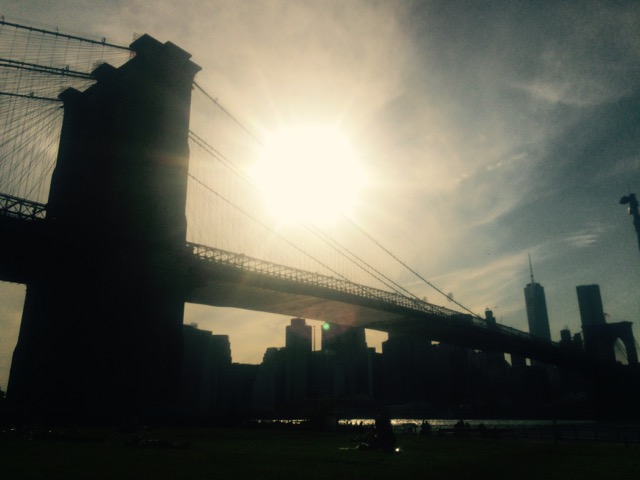
    I really enjoyed listening to this 99 Percent Invisible podcast called ‘Oyster-tecture‘, which explains how, in the aftermath of Hurricane Sandy, the city is developing artificial reefs on which oysters will be seeded. The oyster beds will defend the city from storm swell and large waves. As the podcast explains, 200 years ago, the southern end of Manhatten Island was one of the greatest sources of oysters in the world, and these oyster beds woudl have defended the coastline from storms. The oyster beds disappeared due to overexploitation, but now designers are working on bringing them back to defend the city against the impact of severe weather events.

    I liked this article because it reminded me of the importance of looking to nature to find more collaborative ways of tackling some of our infrastructure challenges. It is also a reminded of the positive impact that imaginative design thinking can have a positive impact on people’s lives.