I am speaking to more and more people who are disillusioned with their work. Often what is in the balance is a purpose-led career versus job security and status. These conversations have led me to revisit the Happy Grid post I wrote in 2016. It is when I realised that no-one else is going to tell you what to do with you career.
(more…)Category: Engineering
-
Culture of climate emergency
If you are interested in understanding how your organisation should perform in the climate emergency then you should be interested in organisational culture. An emergency is a state in which we require people to behave differently to normal and take urgent action.
We can understand organisational culture as the way a group of people get things done. If we want people to behave differently in the climate emergency then we need to change our organisational culture to one that is more appropriate to the urgency of the situation.
(more…) -

Training with audio in the age of Zoom.
In March 2020 we were all sent home and we discovered we could meet using video conferencing instead. Suddenly our wide-angled world was sliced to a quarter of its width. Our body language receptors had to cope with just head and shoulders rendered in a tiny square. And our brains had to work much harder to make sense of this reduced world view.
Just because we have lost something doesn’t mean we have to replace it anew. Just because we can substitute IRL for Zoom doesn’t mean we always should.
(more…) -
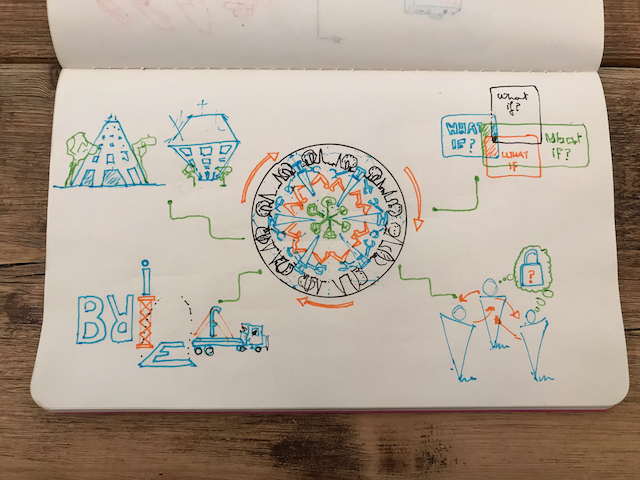
Training course – Introduction to Conceptual Design for Structural Engineers
This course, which I deliver at Constructivist for the Institution of Structural Engineers is my longest running conceptual design training course. It is an introductory course, which splits conceptual design up into three phases: establishing the brief, creative thinking and convergent thinking and provides simple models for understanding each of these phases.
(more…) -
Three ideas for bearing witness to the climate emergency
A year on from declarations of climate emergency in the construction industry I am looking for ways to carry on emphasising the scale of the problem and the scale of the action we need to take. I feel that behind these bold declarations of emergency we are no closer to seeing the system-wide changes that we need and are instead focusing on smaller details.
-

Book notes – The Hidden Life of Trees
It feels right as I take on my new role at Hazel Hill Wood to read the Hidden Life of Trees. This is an evolving post based on notes I take as I read through the book.
From the foreward: ‘The author’s deep understanding of the lives of trees, reached through decasdes of careful observation and study, reveals a world so astonishing that if you read his book, I believe that forests will become magical places for you too.’
-
Working notes on feedback as a design tool
This week I ran a workshop with undergraduate students at Imperial College working in design teams at imperial. the aim was to show that it is much easier to give feedback when you a working from a common set of expectations. But this feedback approach can go much further than supporting good team dynamics – itself very important – it can be used as a tool for creative thinking and exploring new ground. Here is a summary of the ten most common points that came up during my conversations with students.
(more…) -

Unreliable briefs – finding the deeper design narrative
It is tempting to think of a design brief as wholly reliable, a document that contains all the information necessary to execute the design. But design briefs are rarely as reliable as that. In fact we should expect them to be unreliable to start with. Our job as designers is to make our briefs more reliable. To help, I have been playing with the literature concept of the unreliable narrator to help characterise types of unreliable briefs.
(more…) -
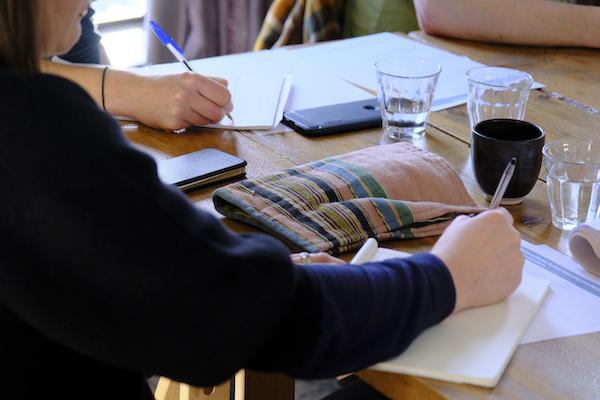
Developing a design brief: asking the bigger questions
When developing a design brief, it is tempting to start by constraining the problem – by clarifying, by simplifying, by cutting out. But if we want to make sure we are answering problems that matter, we need to step back from the brief and ask some bigger questions.
(more…) -
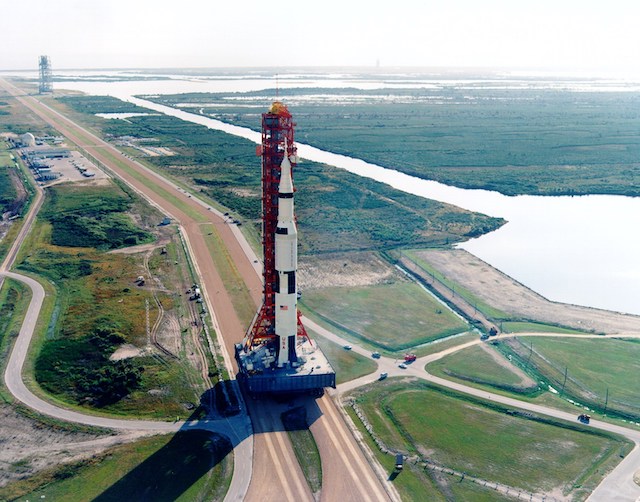
Apollo 8 | What do you do with your computer?
I’ve been listening the BBC World Service’s podcast ’13 Minutes to the Moon’ about the Apollo space programme. Last night I listened to the episode about Apollo 8, the perhaps forgotten daring mission that enabled the moon landings to happen. I woke up this morning thinking just what an incredible achievement it was.
(more…) -
The horizon of existence | surveillance capitalism | the return of analogue skills
It’s hard to know where to start. So much has changed in the last fortnight and there is so much that I feel compelled to write about. But now that our house has also become a remote workplace, a homeschool and playground and locus for all entertainment and time-passing activities, it is hard to find the time to write in an ordered way, so I will capture things as they emerge and look to see the patterns over time. I hope you will bear with me, reader. On my mind today:
- The shrinking horizon of existance
- Surveillance capitalism and Analogue Skills
- Everyone is the same distance away
- Mourning friction
- A great slowing
-

#17 Tabitha Pope – Participatory Architecture – Show notes
Tabitha Pope is an architect and lecturer, with a specialism temporary structures and participatory architecture and a passion for work that sits at the boundary of art and architecture. In this episode, produced in support of International Women’s Day, my colleague Lucy Barber interview Tabitha about:
- What is participatory design and what benefits does it offer us in the climate emergency.
- Challenging power in order to make architecture a more inclusive space for all under-represented groups, not just women.
- How her practice of carpentry allows her to intervene in the design process in a different way.
- Establishing a nature connection to help designers and citizens alike tackle the biodiversity crisis.
- Stepping into a space of vulnerability in design in order to do things differently.
- Creating spaces for joy and encounter to tackle loneliness and build resilience in communities.
Listen on Apple Podcasts , Sticher or by download here.
(more…) -
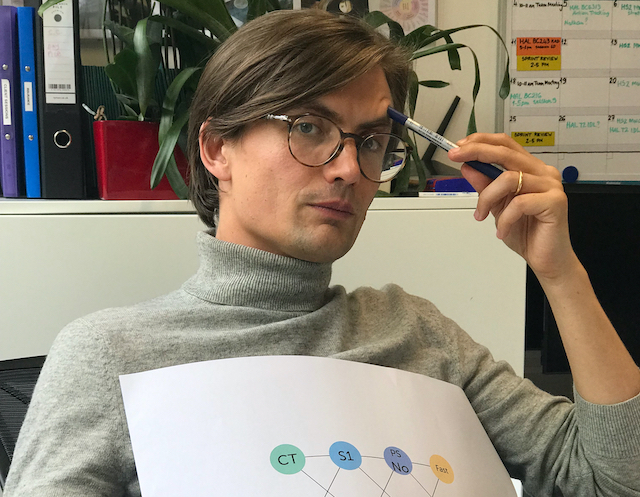
#16 Bengt Cousins-Jenvey – How to save a million tonnes of carbon – shownotes
Bengt is a consultant and ‘re-designer’, working in sustainability and circular design in the built environment. This year we are working together to create training in response to the climate emergency. In this interview I ask Bengt about his big question: what single thing can you do to save a million tonnes of carbon. Exploring this question we get into:
- High-level strategies for accounting for carbon that help avoid getting stuck in the detail.
- Using culture-change models to guide organisations as they respond to declaring a climate emergency.
- Thinking frameworks that help consultants engage with the businesses they are supporting.
Listen on Apple Podcasts , Sticher or by download here
(more…) -
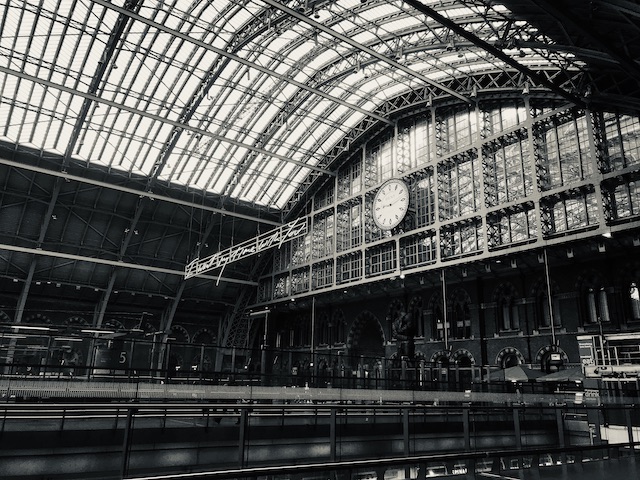
An action learning template for reaching any goal
I met with a friend earlier in the week to talk about setting some life goals. It’s a conversation we had had five years ago and then did nothing about, but this time I came prepared with the Eiffel Over Action Learning Template.
(more…) -
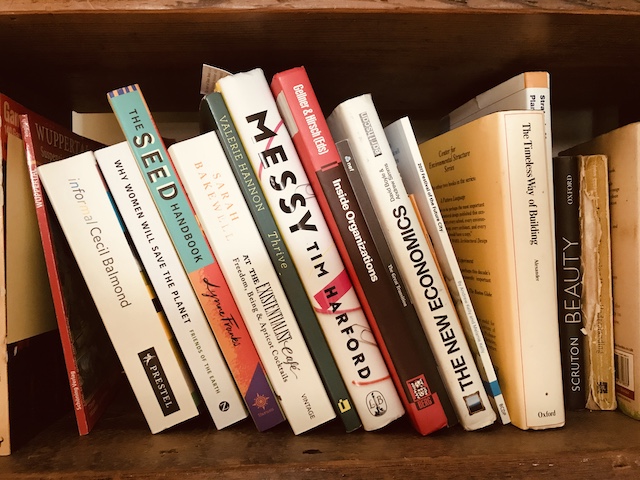
Reading fast and slow
I’m a slow reader. The problem is I can’t seem to retain things unless I write them down or sketch them out. It means that I read very few books each year, but it also means those ones I do read I know really well. This is great when you want to be able to recall a concept while standing in front of a workshop, but it is not so good for reading new content. The pile of books I now want to read is now far greater than I’ll ever get through. The smartest stuff I’ve read about productivity tells me that doing things quicker is a fool’s game. So maybe I need a different aproach.
-
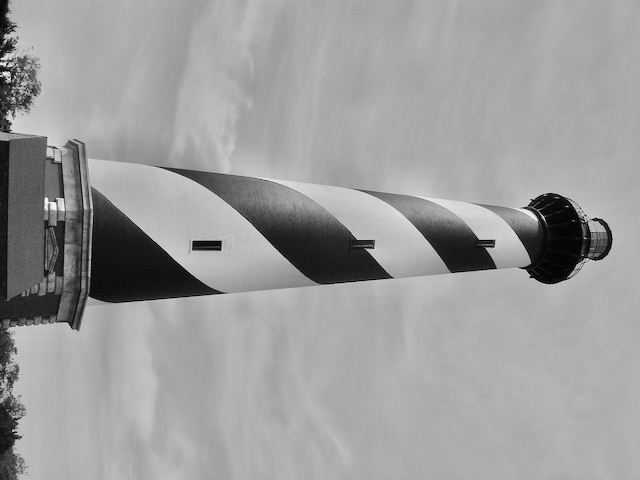
The Lighthouse: film review + engineering notes
I just went to see The Lighthouse, an enjoyably gothic story of the descent into madness of two lighthouse keepers. I loved the visual design of this film – black and white and square, with high-contrast shots of machinary and bleak landscapes. And there is a haunting, almost mechanical soundtrack, which recalls for me Johnny Greenwood’s soundtrack for There Will Be Blood.
(more…) -

The satisfaction of learning what the buttons can do
I am reminded this morning of much I like working out what all the buttons do on a machine. Quite often the machines we use, be they an oven, a sports watch or a computer, have many more functions than we realise. Not all of these devices have the levels of user interface design that you might get from say a modern phone. While I’m a fan of good user design, I quite enjoy pouring through manuals to discover these more obscure functions… or better still, trying to discover them for myself.
(more…) -

If you go down to the woods today
It will probably be very muddy. At least it was for my first visit of the year to Hazel Hill Woods. Recent rain has made the forest wetter than anyone can remember. Water is reanimating forgotten courses that we hadn’t even noticed existed.
Today was my first day in post as the Deputy Chair of Hazel Hill Trust, the charity set up by Alan Heeks to run the wood and to provide a place where people can learn about wellbeing, resilience and sustainability.
(more…) -
In praise of Aix-en-Provence TGV
I am speeding north on a train from Aix-en-Provence TGV and reflecting on what it is I like so much about this station. It sits on the southern section of the high-speed line from Paris to Marseilles. The original line built in the 1970s went as far as Lyon. In the 1990s, as part of President Mitterand’s ‘grand projets’ the line way extended to the Marseille.
The extension feels like an unapologeticly bold statement of the importance of high-speed rail. All the stations and many of the bridges have a monumental quality to them. No doubt the line was built with huge controversy – it seems to pay little reverence to the villages and countrysides it blasts through other than to say this is a piece of national infrastructure to be proud of.
(more…) -
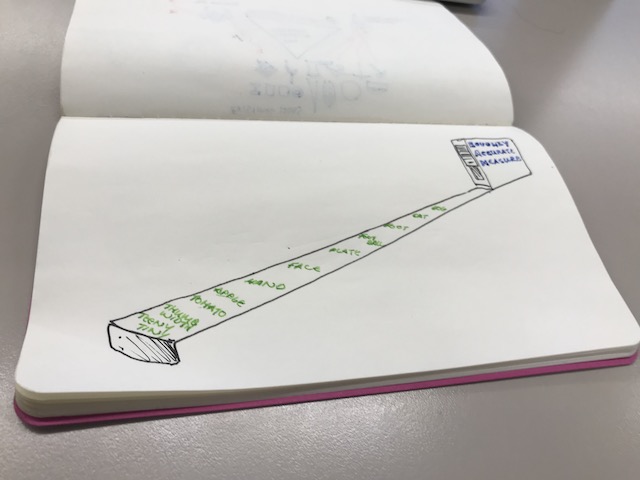
Olafur Eliasson at the Tate + reflections on my own work
This week I have had the feeling that I have been struggling recently to find focus on my creative work. I have lots of projects on at the moment, and I am not satisfied that I am being able to draw a cohesive thread between them. I think this is important because I subscribe to the idea that to have impact on your work, you need to be regularly adding to it in a disciplined way – always adding momentum to the fly-wheel, as Jim Collins puts it.
(more…) -
Why do they say ‘sixty-ten’ in French?
This question came up on the way home this evening. On the back of the tandem, my daughter was experimenting with counting in French. Things were going fine until we got to sixty-nine. And then I explained that French for seventy is soixante-dix, literally, ‘sixty ten’. Without turning round, I could feel the look of bewilderment on her face.
(more…) -
On traffic
Drivers, please don’t complain about the traffic: you are the traffic
Broadbent, O. (2019). Internal monologue everytime I hear a driver complain about the traffic. Bristol. -
Performance versus reflection
A key part of problem-based learning is reflection. But how do you get people not interested in reflection to start thinking critically about the decisions they take over their learning. The answer could be to think about performance.
(more…) -
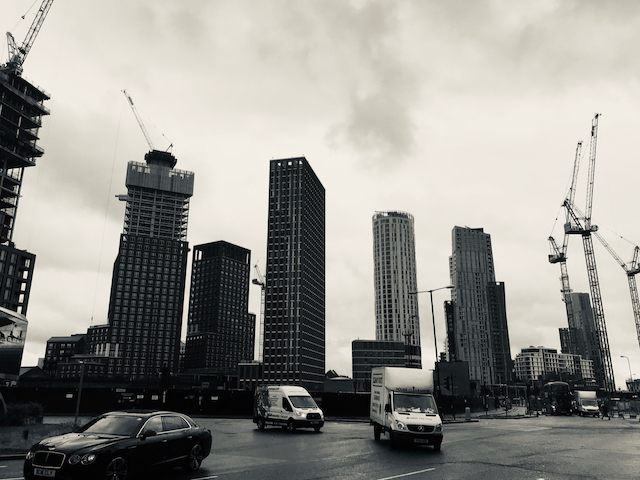
The end of trying harder and being nicer
Over the last few weeks I’ve been talking to engineers about they can do in response to the climate emergency. For those that are engaged with the topic, I am picking up a sense of deep frustration, which seems to come in two flavours.
(more…) -
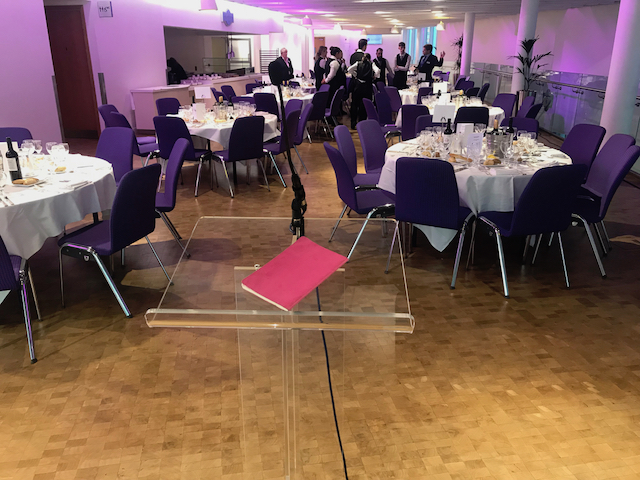
A reminder about the imminent climate catastrophe and how we should educate engineers to prepare for it
[The following text is adapted from the after-dinner speech I gave at the University of Edinburgh Engineering Faculty’s away day. It was originally titled ‘How problem-based learning can save the world and make you happy too’. But I have renamed it ‘A reminder about the imminent climate catastrophe and how we should educate engineers to prepare for it’]
Tonight’s engagement is my first since I took a summer sabbatical, which I planned to use to work on a book. Those plans changed in my first week away when I got involved in the Extinction Rebellion summer uprising in Bristol. That experience of direct action and the reaction it caused prompted me to read much more about climate breakdown, models for political change, the implications of societal collapse, the role of engineers to help minimise impacts and deal with upheaval in our own communities and the role of the people that teach engineers.
(more…) -
Parenting x inspecting hydraulic structures in the Frome Valley
[Written in May, posted today] Saturday was the chance for my one of my favourite kinds of parenting: the kind where I can go on a journey with my daughter at her pace, stop and look at various bits of engineering infrastructure along the way, and then move on when we are ready.
This weekend’s excursion was along the Frome Valley in East Bristol. Near where we live the river cuts a steep gorge through the limestone landscape that forms a lush green necklace that weaves its way through our neighbourhood. It is an excellent off-road route for cycling.
(more…) -
Notes from leaving my phone at home
I’ve started experimenting with leaving the house without my phone. On purpose. Here are some things I’ve noticed.
I need to get a watch. Without a watch, however, I have to seek out the time, usually on the clocks above buildings, on church towers, behind the counter in cafes. My favourite is when you can’t see the time but you can hear it. Two nights ago I slept out under the starts without a phone or watch – my clock was the peel of bells in the nearby village; my alarm the dawn.
Failing architectural time pieces, I have become adept at spotting the time on the screens of people adjacent to me. Sometimes I have to crane my neck.
I look at the map before I leave the house, and try to identify landmarks that will help guide me on my way. I make use of maps I find in the street, and I find I am more conscious of where to find these. Sometimes I ask the way. Usually I figure it out. Before long my own mental map starts to form.
I see things that make me think of friends and family and times together. I notice how often I want to reach for my phone and share that thought there and then with the subject concerned. I try instead to sit and savour the warm feeling of the association – and just live it without taking any action. I sometimes write a note about the moment in my diary and tell myself to save it for when I next see the person concerned.
A notebook is the friend of the phone-free flaneur. Use it to:
- Do a quick sketch map to help you find your way.
- Write down your itinerary, including confirmation numbers and train times.
- Note any things you would like to tell your friends about next time you see them.
- Tear out pages and use them to send a message to someone you are thinking of.
- Draw a sketch of the view from the top of a mountain (you may be rubbish at drawing, but photos taken from mountaintops are always disappointing, so what have you got to lose?)
- Slide a debit card in the back cover of your notebook and its like you’ve got Apple Pay.
Without distractions, I can hold onto and let ideas mature more fully in my mind. Once they have taken shape I can write those down in the diary too. But with my phone in my pocket, a message can arrive out-of-the-blue and my clarity of thought is gone.
All it takes is for me to receive a message about something or other for my emotional state to change in a flash. I wish my brain could stay more firmly attached to the hear-and-now but it quickly focuses its attention on the new stimulus, and my emotions are hijacked. Of course, I want to be helpful and see to whatever matter is arising, but there may be a better time for it than when I am walking down the street – and I might respond better when I am in a more appropriate place. Without my phone, I feel I keep on a much more even emotional keel.
And, I’m reading more.
So, give it a go. Leave your phone at home, and see what happens. Let me know how you get on (tell me when you get home).
-
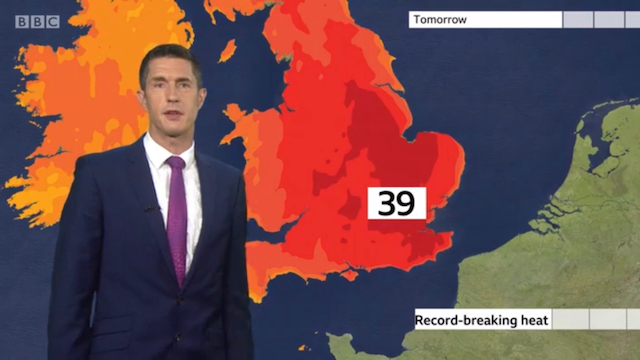
Climate breakdown – uncivil engineering questions
At the start of the summer I felt that the best contribution I could make to tackling the climate emergency was to offer my skills as a trainer and a facilitator to Extinction Rebellion (XR). In June, I joined the team that run induction sessions for new members of XR Bristol. The following words I’ve adapted from the script we use as the basis for the induction sessions.
‘The Government has an obligation to provide protection for the citizens it represents. This is the basis of the social contract upon which the citizens give the government the power to rule.
(more…) -
Appreciating concrete in Marseille
One of the thing things that I like about Marseille is the quality of the concrete tower block design. I’ve been riding in taxis back and forth across the city with my father who is undergoing cancer treatment in various branches of the city’s healthcare system and appreciating the architectural tour I’m getting.
In the centre of town these blocks remind me of bookcases: two monolithic, slick sides between which span the concrete shelves, on which sit the apartments like colourful books. It’s fascinating to see the different ways that windows, balconies and staircases are articulated in these concrete buildings. I point out towering souring fin walls, beautifully articulated fire escapes, and how paint is used to express the different elements of the concrete structures.
The rocky hills that rise up behind Marseille keep the city hemmed in by the sea. Standing on the high ground platform of Notre Dame de la Gard in the middle of town, you can see clusters of distant tower blocks that seem to bravely climb the distant slopes of the edge of the city, like pilgrims. I’m used to seeing tower blocks standing imposingly against the flat, grey London sky, but here these structures are rendered tiny by the massive hills behind them.
(more…)