France is well-known for its TGVs. But there is a place in my heart for the ‘trains classiques’, the older, long-distance trains that still trundle round the older lines of France’s rail network.
I like that they don’t go very fast. I don’t want to get there quickly today.
I like how the seats are like sofas; ideal for napping.
I like how they purr. There’s a deep whir that I feel in my stomach. I higher pitched whine that wibbles my nostrils. And when someone opens the end-of-carriage sliding doors, the loud waah that washes through the carriage, like an approaching TIE fighter.
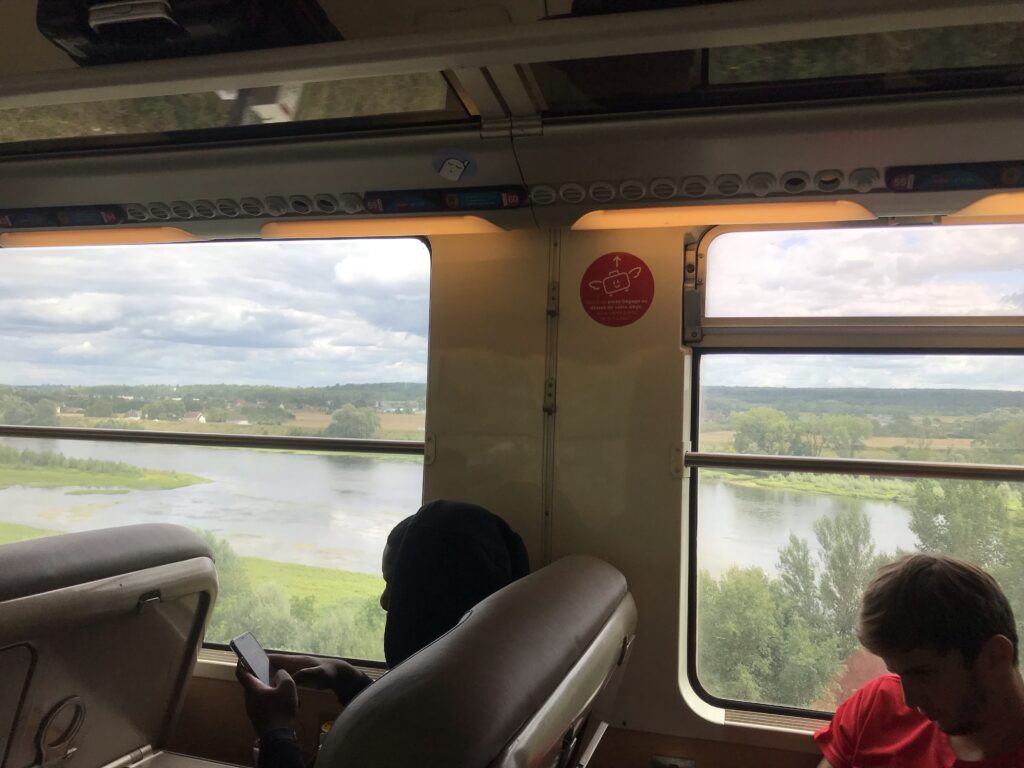
View of the Loire near Blois seen from the train windows
I like the big windows (the opposite of the miserable arrowslits you get on Cross Country train services in the UK).
I like all the unhurried journeys I’ve taken on these trains before, from one regional town to another. Often on holiday.
I like the system of regionally-subsidised train networks (that these trains usually run on), which help keep trains running to remote parts of France.
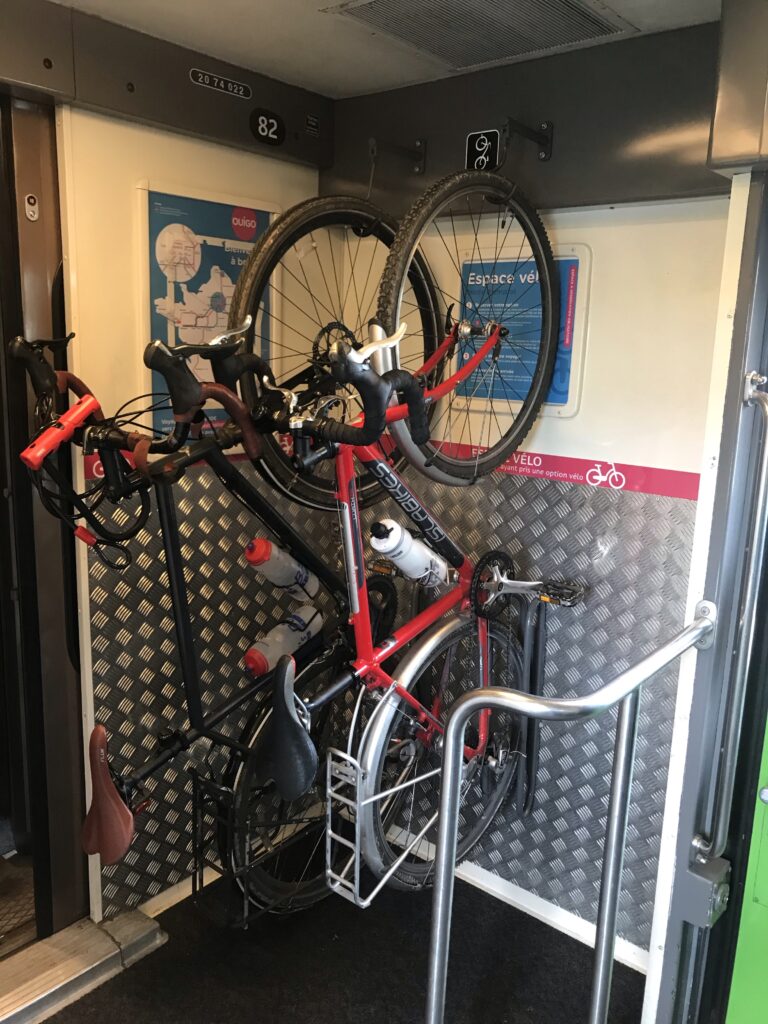
Photo showing cycle storage on Ouigo Trains Classiques – 2 bikes per carriage.
I like the ample bike storage space – two reservable spots per carriage.
I like how these routes are usually cheaper than the TGV.
And I like how these older trains ply a sort of parallel, older network, of places in between or far from the big TGV stations. It somehow feels like more of an adventure.
Want to ride on a train classique? Your best bet is to book a journey between destinations on the SNCF Intercités network – these are the trunk routes where TGVs don’t operate. Or, as we are doing today, travel on the Ouigo Trains Classiques network (these travel between Paris and Lyon and Paris and Nantes – both also served by TGV trains, but the Ouigos classique travel down the old slower routes.
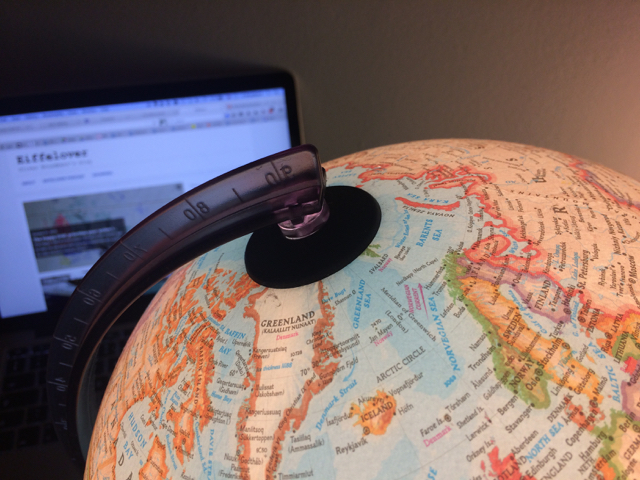
I have a confession to make. Sometimes, when online meetings are getting really dull, I gaze at the globe on my desk and search for islands. My eye lazily drifts across the curving expanses of ocean and every so often something spikes my attention. Usually it is no more than spec, and when I lean in I see, in microscopic print, the name of an islands or an archipelago. Before long I’m on the good ship Wikipedia (I’m a supporter – are you?) setting imaginary sail for these distant lands. Recent places I have made landfall include:
For my birthday this week my partner Mary gave me Alistair Humphreys’s inspirational book ‘Microadventures’. According to Humphreys, a microadventure is an adventure that is short, simple, local, cheap – yet still fun, exciting, challenging, refreshing and rewarding. Last night I undertook my first mission – to go and sleep under the stars in the garden. As adventures go this reads as really not very challenging at all, but I was surprised by how unorthodox it felt.
I was due there for a four-day meeting and training course, part of the EU Erasmus Plus-funded Enginite project, with partners from Cyprus and Greece. I didn’t have time for the surface journey. In this case I felt the cross-border collaboration benefits outweighed the environmental cost of flying, so I jumped on a plane. But having flown that far, I was determined to have an overland adventure when I got there. I got my chance on the last day.
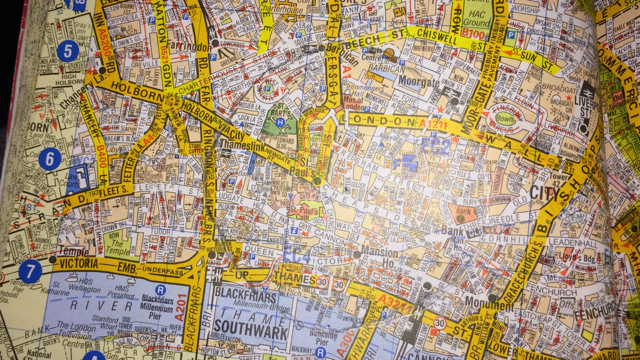
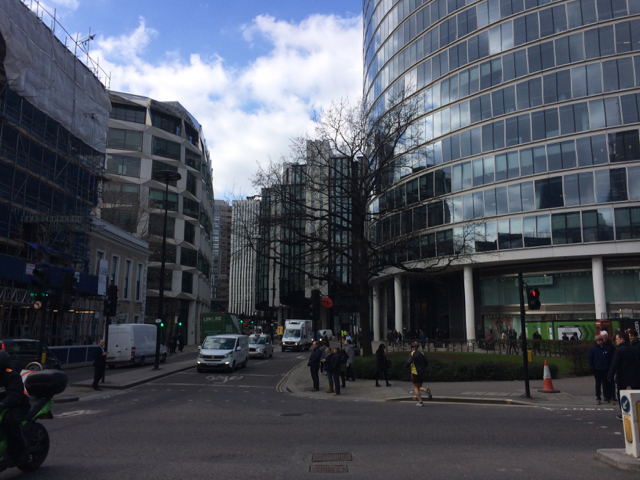
0:00:00 Moorgate and London Wall. Once solid-looking stonewalls are now façades pinned in place by scaffolding while new buildings are constructed behind. In just a few years the streetscape along London Wall has completely changed
0:04:34 London Wall and Copthall Avenue Deep metallic groans sound out from behind these hoardings. I assume the core of the building is being demolished, and the sound is the building complain.
00:09:41 Black Rock The circle leads straight into the offices of Black Rock. I enter the revolving doors and walk through a long dark lobby past whispering clusters of suited men and women. I emerge blinking onto a much quieter street, Tower 42 in the distance.
0:13:31 Copthall Avenue The circle passes straight through the Angel Court building. I attempt to walk through the underground loading bay but I’m turned back by security. There are some places you really aren’t supposed to go.
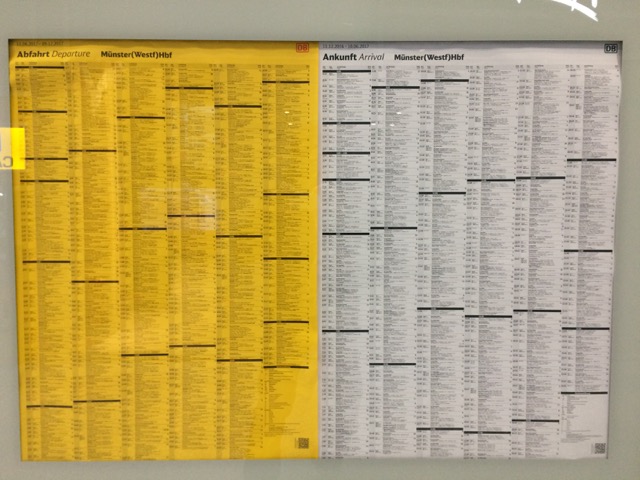
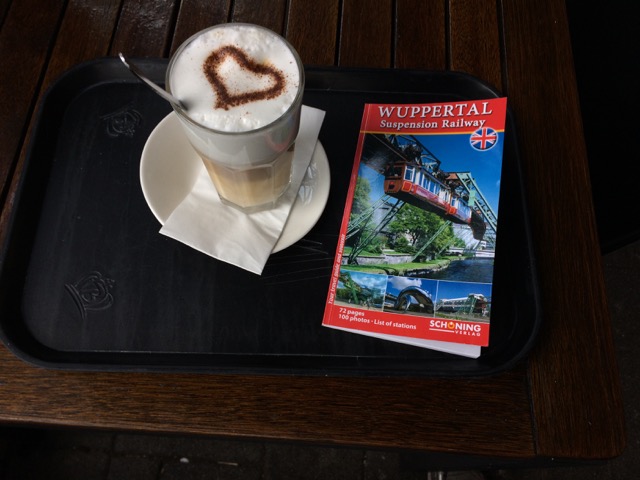
Today I take my journey home from Münster to London via a different route from my way out. Outbound I came by ferry because it was cheaper; travelling back midweek I can just about afford the Eurostar. The route gives me the chance for a quick stop in Köln and the chance for an engineering detour via the Wupertaal suspended monorail.
Münster to Wuppertal
Münster is a beautiful town. I’ve spent the last few days staying with a friend and working on my book in the city library. The cities walls were removed to create a circumferential boulevard that is now tree-lined and a major thoroughfare for bikes and pedestrians. I walk this path one last time and peel off at the Hauptbahnhof.
I ride for twenty minutes on a quiet commuter train to Hamm. The flat landscape is filled with a mixture of fields and factories, with the occasional wind turbine. It reminds me of travelling up the Lea Valley north of London.
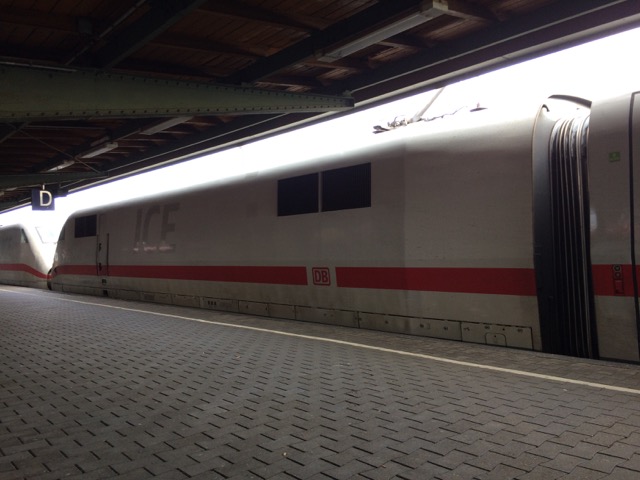
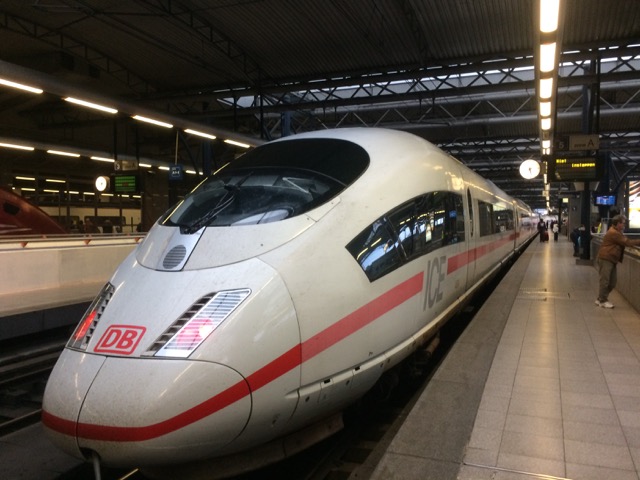
Hamm station feels in the middle of nowhere but its ten unloved platforms are busy with trains of all sorts coming and going. I get to my platform early and see one of the slightly older German high speed ICE trains arriving. Its bright white carriages are like hermetically sealed capsules. You can imagine this train is capable of zooming along the sea bed as easily as over land.
The ICE train is in fact two hitched together. I watch as the two are uncoupled and the front half pulls away. Just in time, I realise the back half is my train to Wuppertal, and I jump aboard. The land becomes more rutted and we follow an industrial valley that is well scored into the valley – it resembles the valley of the Seine as it winds its way north from Paris to Rouen in Normandy.
My connection time in Wuppertal is three-and-a-half hours; that was deliberate to give me time to make an engineering pilgrimage to a highly unusual railway, the Schweibebahn, Wuppertal’s suspended monorail. More details of that in a separate post.
Wuppertal to Köln
I’m blown away by the monorail – a great piece of railway engineering integrated into the city. With hindsight, three-and-a-half hours was a bit too long for my engineering excursion and I struggle to find the inspiration to explore the town further. It’s nothing against Wuppertal: I’m just keen to get on. I wait impatiently at the platform for my next train.
If the last ICE train I took looked like it could be amphibious, this train, a next generation edition, looks ready for space flight, with it’s pointed nose and sleek black-and-white lines. It’s a short twenty-minute ride to Köln and before I know it we are rumbling across the bridge over the Rhine. Köln Hauptbhahnhoff is covered by a wide arching roof; beneath, trains come and go from across Germany – and I see my first French train, the Thalys service to Paris.
I have fifty minutes between trains so I visit the magnificent cathedral which is surprisingly right next door to the station – almost on top of it. It’s quiet pews are better than any waiting room I can think of.
Köln to Bruxelles Midi
I get on board another of the sleek new DB ICE trains and settle in. I don’t remember much about this 2-hour leg as I slept most of the way. The day before long journeys I rarely sleep well as I worry about missing my train, and last night’s wakefulness just caught up with me. As we slow down on the approach into Brussels I see some fairly grotty looking commuter trains and I realise these are the oldest trains I have seen since I left the UK. All the trains I’ve taken over the last few days in Germany or the Netherlands, whether high speed or slower, were well looked after. I am reminded why I don’t ever get that excited about train travel through Belgium. I may however just be prejudiced against Belgian railways because they were responsible for putting the DB night train to Berlin out of business when they put up the transit fees they charge other countries for their overnight services.
Bruxelles Midi to London
Bruxelles Midi is an endless warren of tunnels where the light at the end never seems that appealing. I have an hour and a half before I can check in; I bought tickets for a later train because it would save me £50. The beer in the cafe is half the price of the tea, which is a shame as I’ve just decided to give up alcohol for a few days.
The journey flies by; before I know it I am back in St Pancras. As I walk down the long platforms I am struck that in all the stations that I have been through on either my outbound or my return journey in the UK, the Netherlands, Germany, Belgium and France nothing quite compares to the experience of arriving under the magnificent Midland Blue-coloured soaring arch of St Pancras station. A fantastic piece of engineering lovingly re-invented for a different century.
London – Harwich – Hook of Holland – Den Haag – Enschede – Münster
Six trains, two buses and a ferry.
Leisure
365 miles.
£90.
When I first imagined doing this journey I thought it would be a straight-forward case of taking the Eurostar to Brussels, a fast train to Köln and then a slower train to Münster. That is indeed is a feasible route but becomes expensive when you leave booking to the last minute, especially for a trip on the first day of the half term holidays, so I had to find an alternative plan.
Then I remembered the Dutch Flyer, a rail and boat service that goes from London Liverpool Street to Harwich, then on a ferry to Hook of Holland, and then, included in the ticket, to any station in the Netherlands. It’s a great overland (and sea) route if you are heading anywhere in Northern Europe.
Londond Liverpool street to Harwich
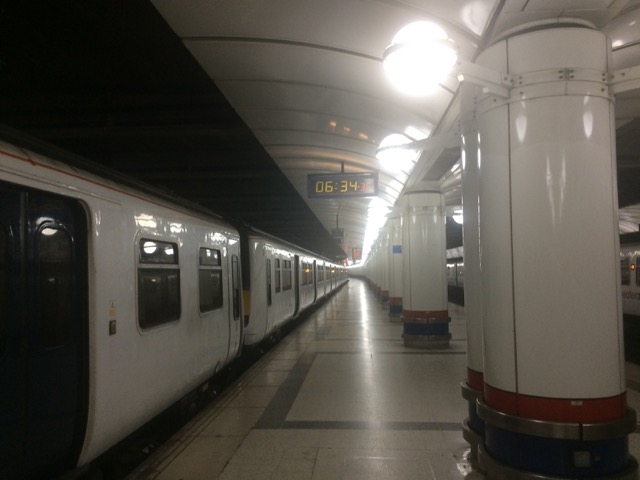
I take two empty local trains to get me to Liverpool Street for the 6:30am train to Harwich, only to realise that I could have had an extra half-hour in bed had I picked up the Harwich train from Stratford on it’s way out of town. Travelling this way is always an experiment though and you work out travel hacks like this as you go for use next time.
The Harwich train leaves from a dimly lit platform in the upper teens at Liverpool Street. It looks like any other shabby commuter train; nobody onboard seemed to realise they were on the first leg of the Dutch Flyer – or if they did they were concealing their excitement as clattered through the Essex countryside.
Darknesses gave way to an overcast morning. The train made a strange ticking noise when it stopped at stations.We reached beautiful Dedham Vale and as we rolled along the estuary the horizon on the other side was punctured by occasional steeples.
Harwich International is not as glamorous as it sounds, and it doesn’t even sound that glamorous. But the station couldn’t be more convenient for the ferry port: you climb the stairs from the platform and walk straight into the terminal building – integrated transport!
The building seems oversized – presumably designed for some long passed heyday of the ‘Dutch Flyer’. It has six check-in desks but only one booth was open for the three customers I was among. We went on through passport control, with a similar booth count redundancy of five, and onto a bus that drove me 50m from the shore, up a ramp and onto the ferry.
Harwich to Hook of Holland
The boat trip is a good seven or so hours at sea. I installed myself in the lounge and settled in for a day of writing. Around me people were settling in for a day of drinking. It was 8:45am and the bar was open before breakfast was even being served. The onboard drinking was a bit alarming as the majority of passengers seemed to be drivers. It now struck me that they were getting their pints in early so that their bodies could process them before we got to the other side.
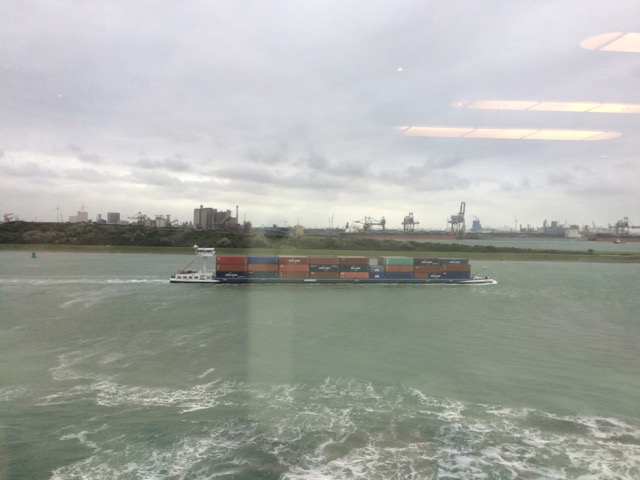
The sea between Harwich and Hook of Holland is a busy place. There are container ships everywhere. We are following another ship eastwards, and there is another on our tail in the shipping lane. And all the while we are avoiding the impressive arrays of wind farms in the sea. Storm Brian is whipping up in the UK and strong tail winds are sending big rolling waves past us.
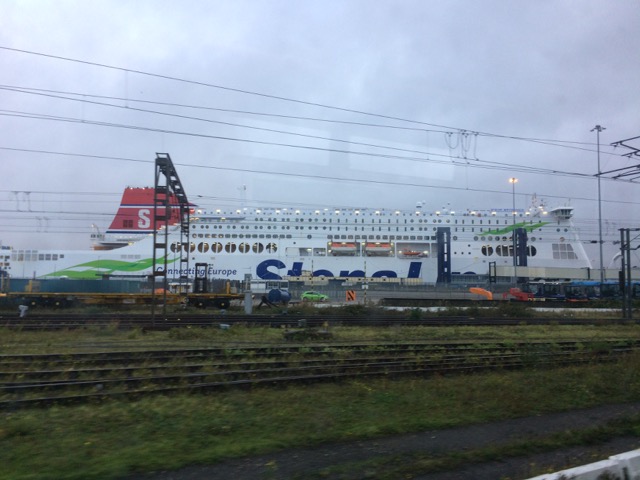
Eventually we arrive at the port at Hook of Holland, an industrial spot complete with flaring oil refineries in the distance. The ferry passenger terminal is slick and modern. It has an exhibition of models of old Stena Ferries in the waiting area that make me think of the Science Museum.
Crossing the Netherlands
Included in the Dutch flyer ticket – which is only £55 – is a rail pass to anywhere in the Netherlands. But before you can get anywhere you have to find the trains. A new rail link is being built between Hook of Holland and the nearby rail hub of Schiedam Centraal, and so I waited twenty minutes on the windy dockside for the bus.
This leg of the journey is a cross-section through industrial flower production. There are acres upon acres of glass houses, some lit up, many apparently heated, filled with flowering plants, there are huge processing and packing factories, and then eventually we reach snazzy looking management buildings and distribution centres. I’ll never look at a cut flower for sale again the same.
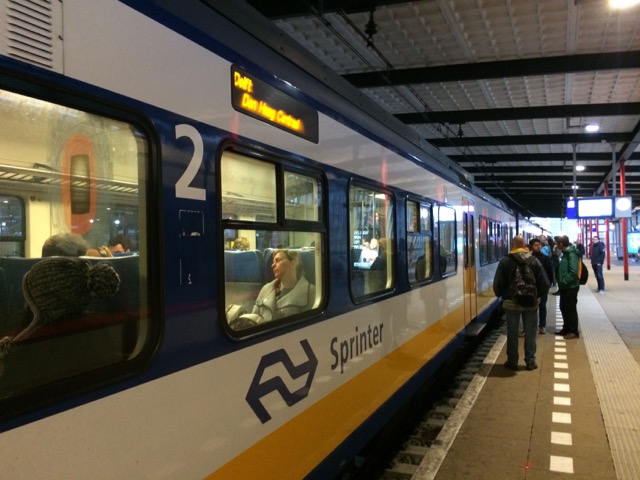
For me Dutch railways are about good modern design rather than high-speed, although they are fairly rapid too. The large stations I travel through are modern with a restrained elegance. Take Schiedam Centraal, from where I picked up a train to Den Haag. It has six platforms covered by an elegant roof that cantilevers out on both sides from a central spine. That central spine runs the length of the middle platforms, and while it necessarily an imposing structure because of all the load it carries, has large opening in it to let in lots light.
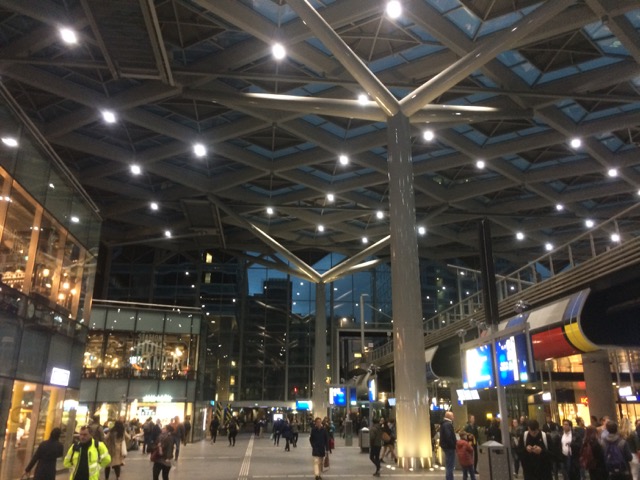
Spectacular roof at Den Haag Centraal
I change trains at Den Haag Centraal, a magnificent rail terminus, with towering steel columns that splay out at the top to support a distant roof. By now it is dark again, and as I take my next express train, I can no-longer pick out any features of the countryside I am travelling through.
From the border to Münster
At Enschede I change trains one last time. I am now on a Deutche Bahn service. Somewhere along this leg we cross into Germany, although there is of course no evidence of the border. The only difference is I can understand a small amount of the announcements, which I couldn’t in the Netherlands.
Finally, at 22:45, some seventeen hours after I left the house, I arrive in Münster to be greeted by my host at the station. This has felt like a long journey it has also been very satisfying; I was able to get a day’s work done on the ferry, and read the newspaper cover to cover on the train; and for the first time I feel I have a mental map forming of how the Netherlands and North West Germany relate to each other, and where major cities in this area sit with respect to one another. I look forward to discovering further this corner of Europe.
This is the first of two episodes of the Eiffelovercast recorded in San Francisco earlier this month. I was in the city to run some Think Up workshops, and so talk the opportunity to recorded some thoughts, interviews and sound bites related to my regular themes of engineering, creativity and practical philosophy.
“News from San Francisco: We are all part of the cloud”
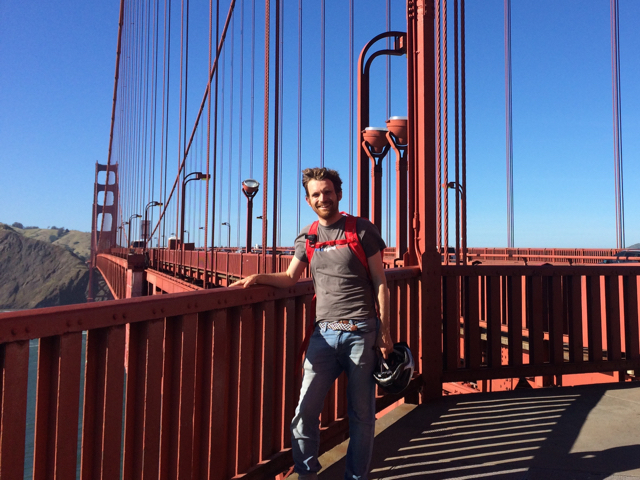
In this episode I visit the Golden Gate Bridge (my favourite bridge in the world?), find out about experiments down in Stanford about what makes us collaborate better, try out as many modes of transport I can, learn about extended cognition and our relationship with the cloud, and experiment with ditching Google maps in an attempt to understand the city better.
The second episode from San Francisco will be on line later this week. In the meantime, I hope you enjoy listening.
In this episode of the podcast I attempt a sonic recreation of a part of the London Underground that never got built, a stretch of the Northern Line that would have run from Moorgate to Alexandra Palace. En route I reflect on the transport infrastructure shapes our experience of the city and the difference between what engineers plan and what actually gets built. I really loved making this podcast – it features my mother, Anne Soutry, as Northern Line announcer, making the most of her skills as a continuity announcer for BBC Radio Manchester many years ago. Also, as part of my research, I got a ride in the cab of a Northern Line train with my friend Stuart McGee – thanks Stu. So, have a listen, and I hope you enjoy the ride.
Photographer and photojournalist Nick Cobbing talks about photographing the Arctic, what happens to photographic equipment at minus 38 degrees, using drones to take photos, the role of the audience in the creative process, being reduced to tears by the beauty of the planet, the best places to swing dance north of the Arctic, life hacks for creative people working on their own and whether penguins tango or waltz.
Ever since I saw my first one zoom past as a boy I’ve loved TGVs. In January I travelled from one side of France to the other and back by high-speed train to get to a conference, and used the chance to try to capture some of what I love about fast trains in France. It’s a mash up of travel diary, interviews and engineering history, all stitched together with familiar SNCF noises. I hope you enjoy.
Every time I go to the woods I find new insight or inspiration that I can use in my teaching. Today’s comes from deer tracks.
I know the main tracks that criss cross Hazel Hill Wood well. I could probably draw a reasonably accurate map of the place from memory. In a sense, I’m a bit sad that as I have got to know the wood better, I don’t get lost there any more.
But there’s a whole different level on which the wood can be explored, and on which I can lose myself. If you pay attention as you wander down any of the main tracks, you’ll see thin paths going off into the undergrowth. They are easy to miss at first because no sooner than they are off the main path they dive off under low branches. These are in fact deer tracks, and they criss-cross the wood on a different plane – about two feet high. When you start to look for them you’ll spot them everywhere.
For me these deer tracks are an invitation to go off track, to go into the unknown and see to where you end up.
I followed such a track this morning and it led me through dark pine trees and then suddenly I was into a patch of widely-spaced silver birch pushing up through a carpet of lush muss. The place had a sort of magical green light. I had been to this place once before but would not have known how to find it.
To follow deer tracks you have to go off course, you have to pay attention – it’s not the easiest path. The tracks take you via unknown, sometimes-secret places, and bring by new routes to places you already know. And because the journey is different, the destination is not the same.
This morning I was down at our local primary school arranging to do a talk about civil engineering for the Year 5 and 6s. The head teacher remarked that most of the teachers at the school probably wouldn’t know what civil engineers do, let alone the students. It was the same for me as a kid. But although I didn’t know the words civil engineer, I was fascinated by all things civil engineering: big construction, railways, bridges, waterways.
I grew up in Harrow, and though I regularly visit family in the area, in over fifteen years I haven’t been back to the town centre that was the backdrop to my childhood. This week, beating the Tube strikes meant an eighteen mile cycle ride through that part of the world. After an hour and a half in the saddle in the pouring rain I decided to take a pit stop in downtown Harrow. And WHAMM: all these childhood memories came streaming back, as vivid as if they were yesterday:
There’s the ‘whole in the wall’ where my Dad would queue for cash
There’s the Debenhams that I followed my Mum round on what seemed like endless trips
There’s where I first went to McDonald’s on my own
That’s where I got mugged for the money I’d saved up to buy a new motor for my radio control car
There’s the bar that underaged me used to go into at 4pm on a Saturday and wait patiently to avoid the evening bouncers.
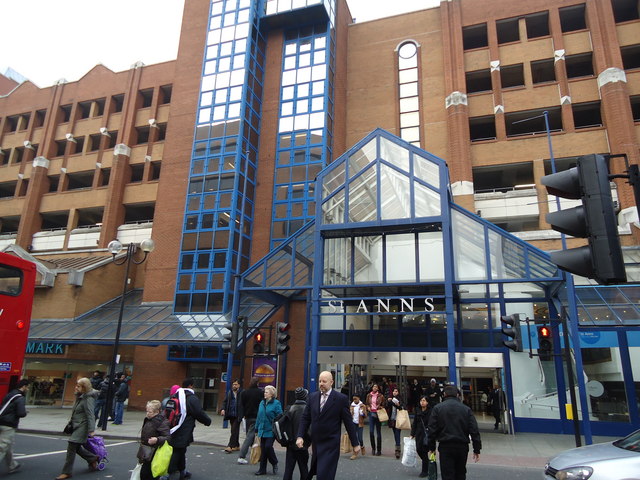
But the strongest memory I have of all is the excitement of seeing much of the town centre under construction. For the suburban child that I was, Harrow was the big lights. The 6-8 storey office blocks in the town centre I considered big, glamorous, sophisticated – like the buildings in the montage at the start of Dallas. So when construction started of an enormous middle-of-town shopping centre began including a 9-storey post-modern multi-storey car park, it really captured my imagination.
I remember watching the St Ann’s centre being built right from the basement excavation works and the piling through to the fit-out – watching from the bus stop across the road. I remember the steel superstructure being erected and asking my Dad why they were building a giant Meccano model of the building before they built the real thing. The new centre required major rerouting of the roads – this too I found fascinating.
The influence of all this construction is clear in the drawings that I made at this age – some of which I still have. I was trying to design my own shopping centres, car parks, one-way systems, tram systems, all modelled on Harrow. There were other influences too: the construction of the M25 up the road was an event horizon for me. When my best friend moved away, I asked if he would be coming back before they finished the M25, something which I knew would take ages. When I was told no he wouldn’t, I knew I was in for a long wait.
I even remember aged about ten going to a traveling exhibition about how Harrow would be served by something called ‘Crossrail’ – that sounded incredible.
After St Ann’s with its anchor stores and enticing food court, they built St George’s the even more ambitious St George’s shopping centre, and then the Harrow property bubble must have burst because there is the concrete shell of abandoned incomplete office block just around the corner. These days the anchor stores have dwindled, and the food court sells more chicken than I remember.
Had I grown up here fifteen years later I wonder if I would have been similarly inspired?
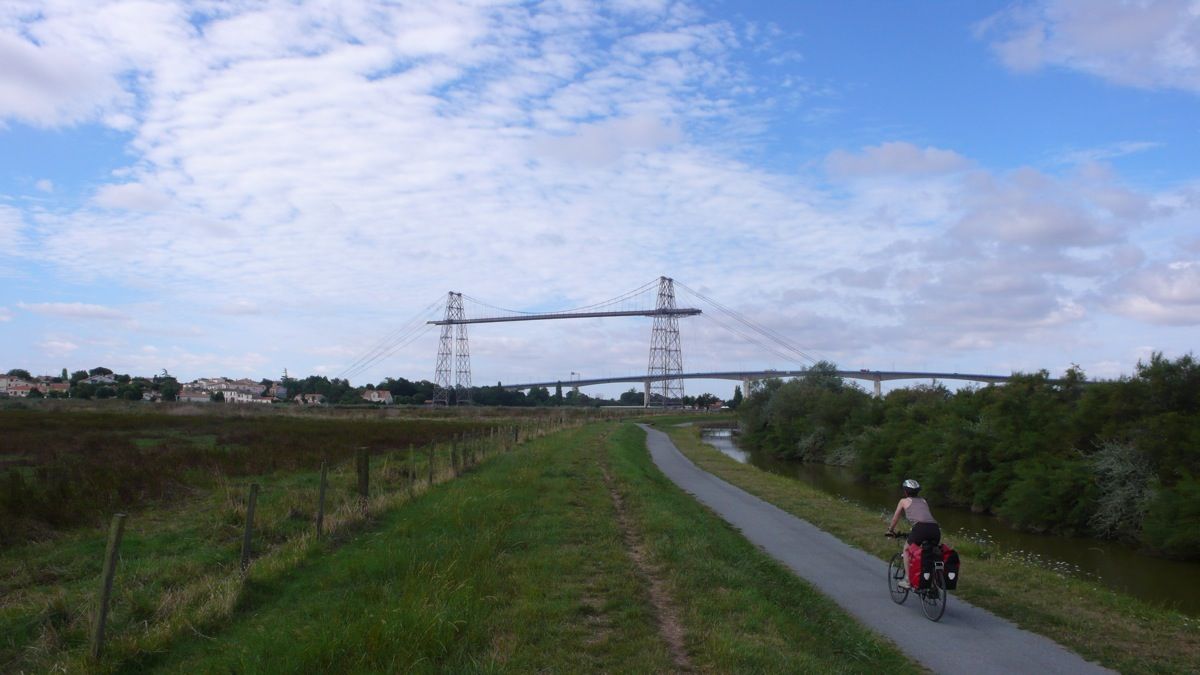
Last night I was reminded of the fascinating world of moveable bridges. From the glorious transporter bridges of ports and river estuaries to hulking swing bridges of the New Jersey railroad, these projects would make interesting interdisciplinary case studies for civil and mechanical engineers.
The lightbulb went on when I found this fantastic set of animations on Wikipedia showing the movements of different types of moveable bridges. For me part of the wonder of civil engineering is the scale of the projects. When those massive structures start to move, well, I just have to sit down. But as well as wonder, I think they offer really valuable learning.
A conclusion of research interviews I carried out last year about developing engineering skills for industry was that engineering employers want graduates who can work with people from other backgrounds to solve engineering problems. In my experience as a civil engineering student we felt miles apart from our mechanical cousins down the corridor. Crudely, we were concerned with things that stayed still, and they were concerned with things that moved. Civils courses that had the word ‘dynamic’ in the title were considered hard and we knew our engineering relatives were studying a more difficult degree!
One of the challenges in giving students opportunities for interdisciplinary working is the siloed nature of university departments. This is a problem not just across engineering but also in the built environment. I know of major institutions whose civil engineering and architecture students never meet – at least in any formal capacity. So I am increasingly on the look-out for projects or topics that can bring different disciplines together. And a moveable bridge could be just the ticket.
At the Constructionarium, where engineering students build scaled versions of engineering structures using real materials, plant and processes, two of the bridge projects on site require already significant movement of the superstructure to complete the structure. At Millau the students construct bridge piers in the gorge and slide the deck units across from the gorge sides. At Kingsgate the two halves are the bridge a constructed on either bank of the river and then rotated into position to meet in the middle – I am still struck by the elegance of this construction method.
Moving a bridge deck once as part of the construction sequence is a starting point, but the real crossover with mechanical engineering begins when the bridge requires a permanent mechanism to make the movement repeatable. At their simplest, moveable bridges require bearings to move the deck units, but a more challenging project would be to have to include hydraulic rams to make get the deck to to lift or swing.
The aim of the crossover is to give students from either bank of this engineering divide the chance to understand the perspective of the people from the other side so that they might work together better in the future. For the civil engineer that might mean understanding how mechanisms are modelled, the dynamic forces on moving elements and the tolerances required to get the structure to work. For mechanical engineers that might mean understanding how a piece of mechanical plant fits into a civil engineering structure and understanding the practicalities of construction on site.
But as well as the educational reasons for wanting to develop a moveable bridge-themed student project, I have a more personal reason. When I lived in New Jersey I’d often take the train to New York, and I would stare out of the window in wonder at the host of moveable bridges of every type that the railroad uses between Jersey City and Elizabeth. We just don’t have the same proliferation of moveable bridges in the UK (maybe we paid more to put our railways on viaducts?).
A couple of years later I had a Saturday job in an office adjacent to Thomas Hetherwick’s roll-up bridge. We’d get people visiting the bridge every day and one time I got chatting to a retired engineer from the states, who it turns out had been a very senior member of staff at the US’s largest moveable bridge specialists. He had worked on and knew a great deal about many of those bridges that I had seen out of the train window in Jersey. Hearing that I was studying engineering, he told me all sorts of fascinating stories.
Six months later after leaving that job, I dropped by to see my old colleagues, and the receptionist gave me an envelope stuffed full of pictures and reports that that engineer had posted me from the states, without a return address – I had no way to say thank you. To make things worse, I then managed to lose this treasure trove. If I am able to contrive to get a moveable bridge project set up at the Constructionarium, it willl be my way of saying thank you to that generous-minded engineer.
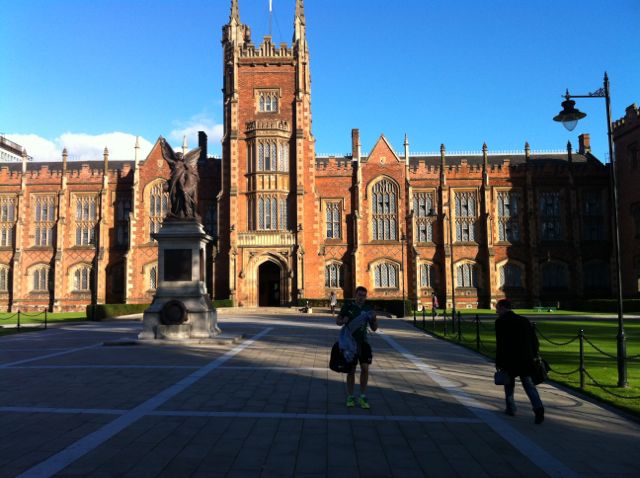
Over the next couple of days I’ll be at Queens University Belfast to do two things: to kick off a new sustainability-themed student project, and to run a curriculum development session with staff on the theme of embedding sustainability.
Queens commissioned Think Up to design a sustainability-themed project for first year students. With this collaboration we plan to test three things: the idea of using a project early in the course to introduce the ‘basic building blocks’ of sustainable design; how this project can be used to introduce a topic that other teaching staff can build upon in later modules; and how a virtual learning environment (in this case Our in-house platform Student Studio) can be used to facilitate a better link between universities and industry.
Basic building blocks
Principle Two of our report Embedding Sustainability in the Undergraduate Civil Engineering Curriculum is to ‘establish the basic building blocks early on in the course’. Using Bloom’s Taxonomy as our theoretical basis, the higher order cognitive processes needed for sustainable design (analysis, assimilation, creation and evaluation) are founded upon the more basic cognitive processes (knowledge of, knowledge that). To enable students to make better judgements in the field of sustainable design, we need to establish the basics that will help them make those decisions.
The basics are widespread, and include: common terms and definitions; principles of simple analysis techniques; materials; exemplars. Communicating this material is not a great use of class time. The project that we are designing will provide a context within which the students can start to establish these basic building blocks.
Project brief
Student are asked to work in groups to answer the rather open-ended question, how sustainable is Titanic Quarter (a large new mixed commercial-residential-cultural development in Belfast)? To help them, we have suggested seven axes for investigation based on the twelve objectives for sustainable development on the Olympic Park. For each axis, we have suggested aspects of the development to investigate, analysis tools and techniques they might use, and technologies they should find out more about.
Over the coming week, students will go on a fact-finding tour, do online research and try to speak to people who know about the site. Once they have gathered their data, they need to agree as a group how they are going to answer this question. The task is deliberately designed to provoke debate, and to ask students to apply their judgement. We emphasise that there is no right answer, and what is important is the thinking process they go through.
To conclude the project, students will present their findings to other groups. In each pair of groups, one will the on the role of the developer, the other will take on the role of sustainability consultants answering this question. The students will choose which team they think have best answered-the question. That group will then present their findings to my colleague in the Useful Simple Trust, Dan Epstein, who was head of sustainability on the London Olympics.
Basis for our teaching modules
Our hope is that this project will enable other teaching staff to develop modules that build upon these foundations. Titanic Quarter is a development close to he Queens campus and it is likely to be under development for some years to come, so it makes sense to link teaching to reality by drawing on case studies from this project.
Using Student Studio
This project will be the second time that I have used Think Up’s virtual learning environment Student Studio to run a remote teaching module in a university. The platform is used to provide briefing information to the students, to provide an online space for a learning blog, and a forum space for discussion posting questions.
The plan is that I will be in Belfast to kick off the project and give the students an introductory lecture. I will brief them on how to use Student Studio. I will then go back to London, but I will be able to track students’ progress through the project remotely. Together with using Skype to deliver the final presentation, if successful, we hope this technique will demonstrate how industry can be connected to the teaching environment without necessarily having to be there all the time.
I know it is not often that you hear people say this, but I do really like Euston station – from an interpreted transport perspective, it is a good example of a well-thought through hub. (more…)
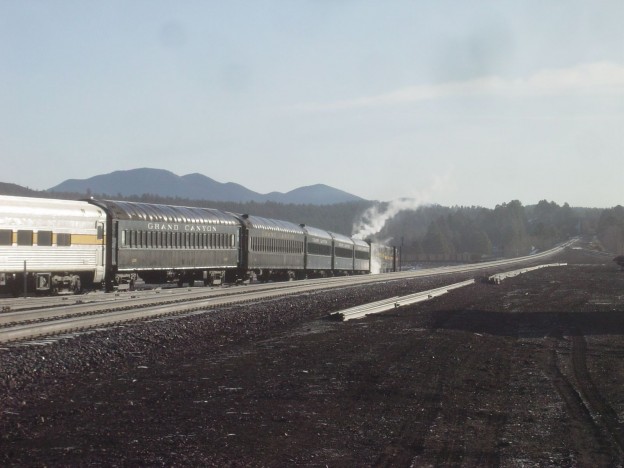
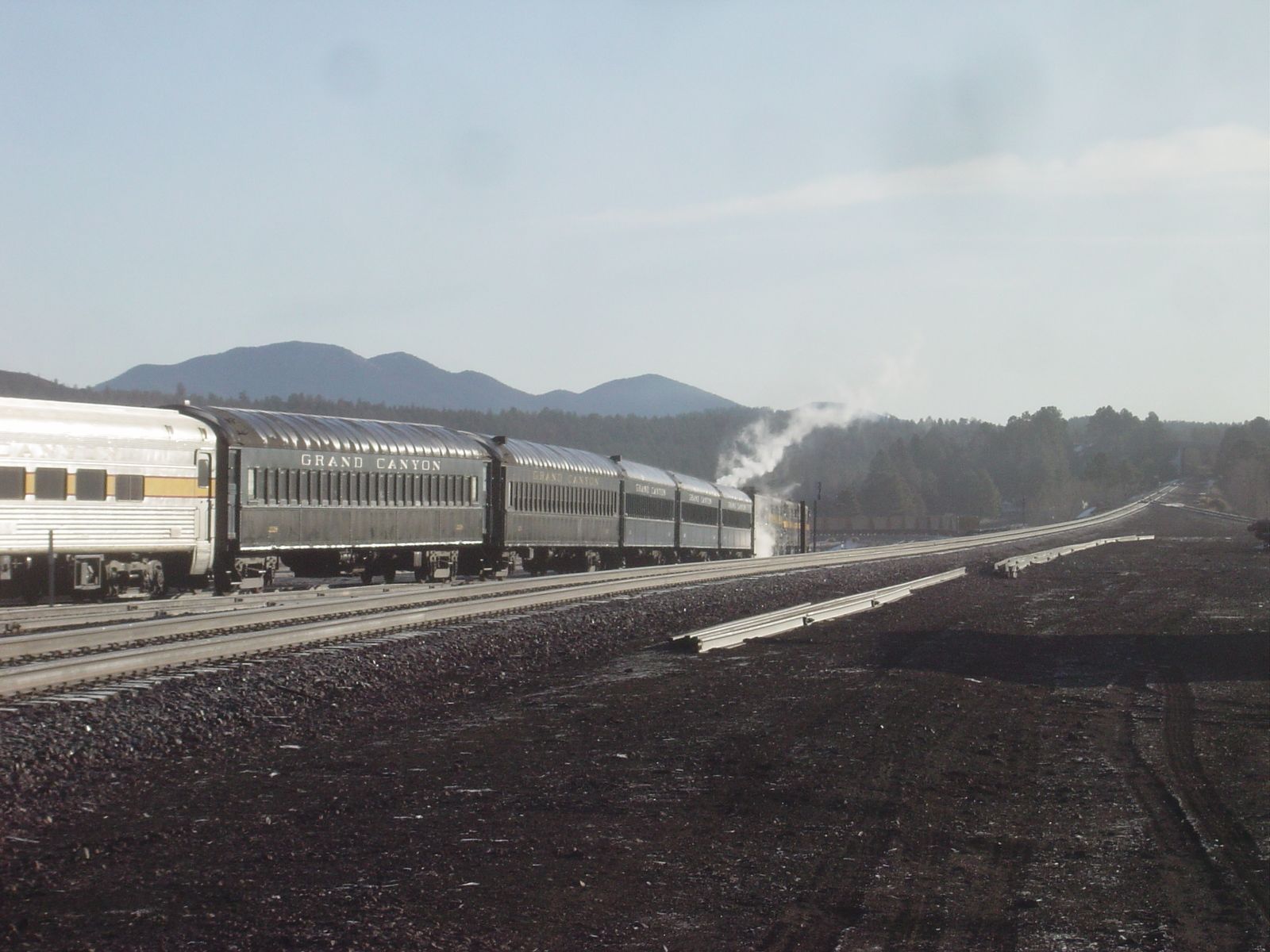
A train pulls of the Santa Fe railway at Williams Arizona to join the Grand Canyon Railroad
As I tweeted earlier this morning, today at Think Up I have been working on Build Camp, a concept for a week-long hands-on learning event designed to encourage young people to take on a career in civil engineering. For some time now we have been proposing an event based around the idea of students designing and building their own railway in a week. Today we were looking at how to create a context for the event around which on-site role play activities can be built. Today’s idea was to use the construction of the first american transcontinental railroad as the context, for reasons explained in the following text, extracted from some my draft web copy for the soon-to-be-online Build Camp website.
Why the Pacific Railroad?
Learning about the construction of a railway line is an excellent introduction to the world of civil engineering because it embraces so many aspects of the discipline, including: planning and surveying: structural, geotechnical and fluid mechanics; construction management. This event is set in the context of the construction of the Pacific Railroad, the first railway to cross the United States. The construction of this pioneering railway line was led by a team of engineers operating at the railhead. Engineers were responsible for:
* Surveying and choose a route through the unknown territory ahead.
* Designing cuttings, embankments, bridges, dams, causeways and tunnels as needed;
* Sourcing local construction materials: fill for embankments; timber for sleepers; fuel for machinery;
* Overseeing construction works
* Organising the logistics of moving labour, materials and plant along the single-track line
* Establishing camps for workers, sourcing food, and paying wages.
These engineers were working in the unknown; it was 2000 miles back to headquarters, and so they had to rely on their own ingenuity and engineering judgement to solve the problems they encountered. By setting the role play for this event in the context of the Pacific Railroad we aim to harness that visionary and pioneering spirit, and demonstrates the potential engineers have to shape the world for the better. We are also providing a baseline against which the advances of modern railway construction can be illustrated.
At present we are hoping to run a pilot of Build Camp in October. Keep an eye out for updates on the Think Up website for more information.
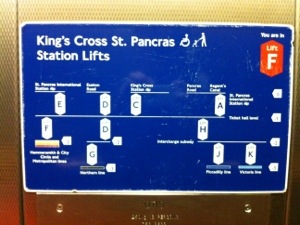
Pushing a pram, as is my new daily habit, has made me much more aware of the relative accessibility or inaccessibility of London. Today I decided the best option for step-free interchange was to be at Kings Cross, where upon arriving I was presented with the lift schematic shown in this photo. Step-free, no doubt – and that is an achievement in itself – but by no means simple. I had to help two other sets of travellers interpret the map as we processed around the station.
While I may criticise, the Underground is significantly more accessible to buggies than the Paris Metro, where there are simply no prams to be seen.
I am of course fortunate that my access requirements are such that, should it be necessary, I can carry the buggy down the stairs. But pursuing step-free access around London does cause me to try out new routes, and to discover bits of stations that I’d never noticed before (at London Bridge, in particular). Perhaps not very profound, but another example of how parental leave is giving me a new perspective on things!
Probably the best module I studied during my year at ENPC was not engineering-themed – but photography. The module was run as an English language course: the subject of the lessons was photography, and the lessons were in English. Being a native English speaker I was not able to get any credits for the module, but I gained much more. I still vividly remember the magic of seeing images emerge on pieces of paper submerged in solution. In just a few short hours of teaching I learned somethings that have been much more valuable to me than the hours of lectures I sat through on other subjects.
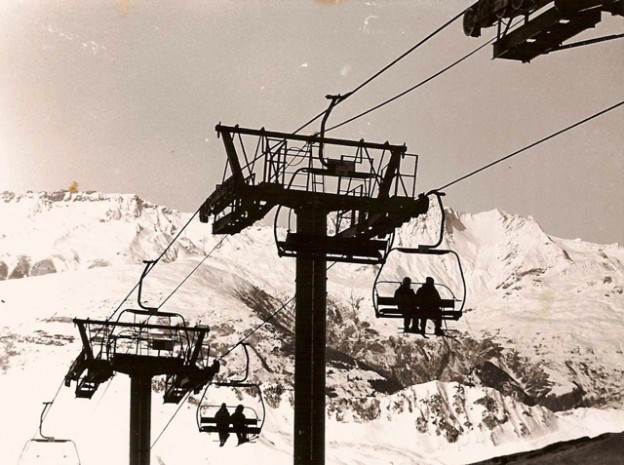
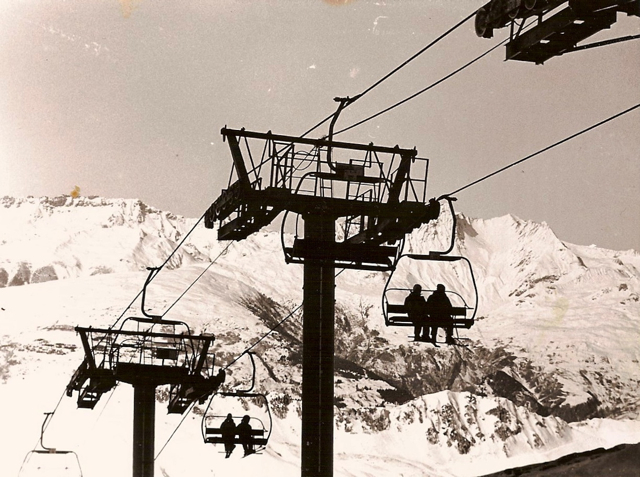
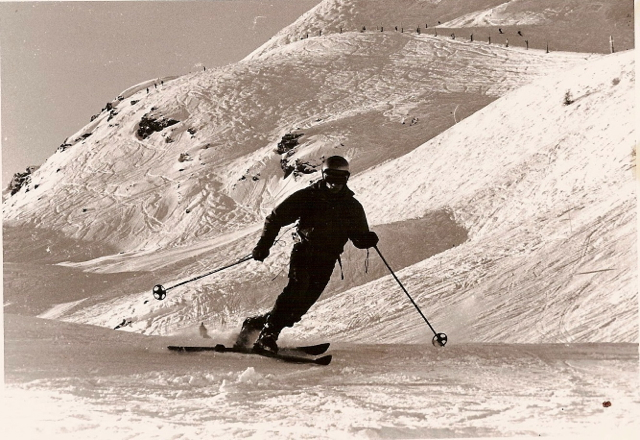
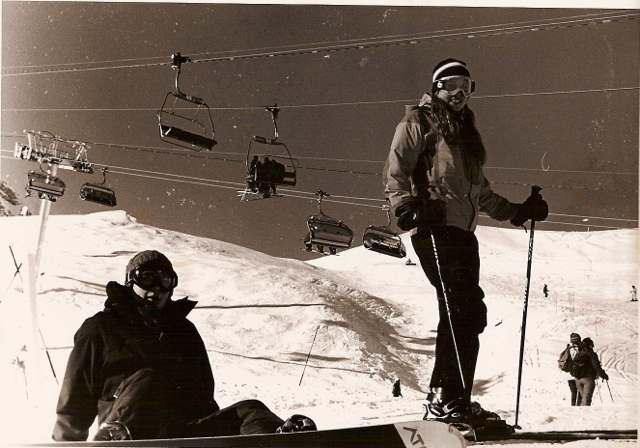
These photos were taken on a weekend trip skiing at Les Arcs. Getting from Paris to the Alps by overnight train is easy by the way. The night train leaves from Gare d’Austerlitz, and arrives Bourg St Maurice, where there is a lift straight up to Les Arcs.
On the to do list for my next visit to Berlin (which may not be for some time…*), the Museum of Things. See this link from the museum’s website on current exhibits (and this from the Guardian). The museum has recently added the Frankfurt Kitchen, a 1920s prototype of the modern kitchens with which we are familiar today. Reading about the Frankfurt Kitchen reminded me of an exhibition that I went to see on Charlotte Perriand (Design Museum profile), who was designing in the 30s the sorts of furniture that you’d recongise in Ikea today. From furniture design and architecture to music, I am always surprised just how old ‘modern’ is.
This week we took our 5-month old by Eurostar to Paris. The experience of travelling with a baby is adding a new perspective to my journeys. Long-distance train travel with a baby is by no means impossible. The couple travelling opposite us on the Eurostar last Friday were on their way to Florence by night train, having recently travelled to Venice and to Madrid by sleeper with their well-travelled toddler. Most things still feel possible – I just feel I want to know a little more in advance. So this post is for the benefit of other people seeking reassurance about travelling on Eurostar with a baby. (more…)
This is only the second time I have taken a night train as part of a business trip. As we slip into Edinburgh in the early morning, having left London Euston at midnight, I feel this journey has gone rather well (my trip by sleeper to Turin for work in 2008 was less successful). (more…)
I feel like a bit of a wally standing here in the rain at Clapham High Street Overground station. There are many shorter ways to get me home, which is diametrically across London from here. I could for example slice straight through the middle on the Northern Line. But I want to take the slow circumferential route simply because for the first time, I can. (more…)
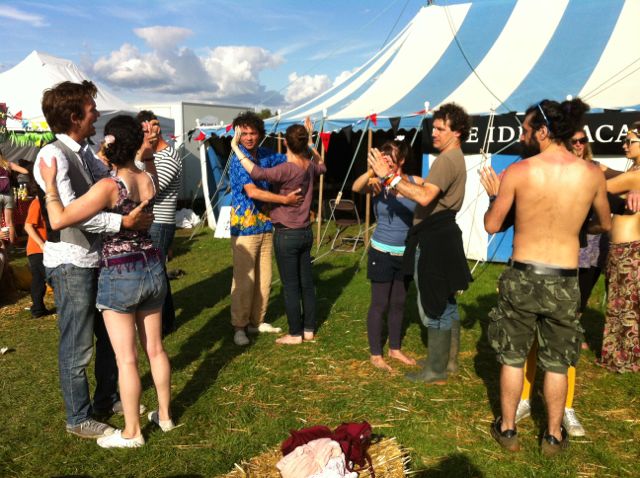
I think I often say this when I come back from a music festival, but Shambala is one of the best festivals I’ve been to. It could be the post-festival giddiness that makes me say this; or that festivals are getting better. (Or even it could be that I’m getting better at choosing what to go to. Unfortunately this can’t be true as I was invited by someone else to help with swing dance teaching.) In any case, I was only at Shambala for 24 hours, so it must be doing something right. A few highlights: (more…)
Last year for Cloud Cuckoo Land and this year for Shambala, I’ve taken the train most of the way, and covered the final leg by bike. Often the most difficult bit of festival transport is the bit near the site itself, as country lanes groan under the weight of traffic they were never designed for. Even public transport, where available, struggles as it competes with cars.
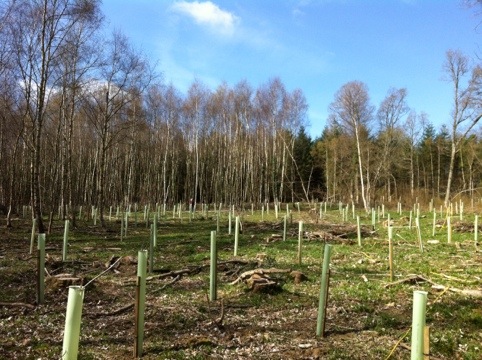
I recently returned from a conservation weekend at Hazel Hill wood, the sixth such weekend in which I have participated, and a visit that prompted some more thoughts on ways we can teach sustainability in universities.
I am sitting at the Kit Kat Cafe, perched on the dune at the back of Camber Sands, a vast stretch of sandy beach in East Sussex. The beach is full of people enjoying the warm Autumn sun. In the distance there are kite surfers, and along the shoreline riders are galloping their horses in the shallow water.








![[slideshow]](http://eiffelover.com/wp-content/uploads/2012/11/20121112-214023.jpg)