Blog

  • Taking inspiration from the Transcontinental Railroad

    Taking inspiration from the Transcontinental Railroad

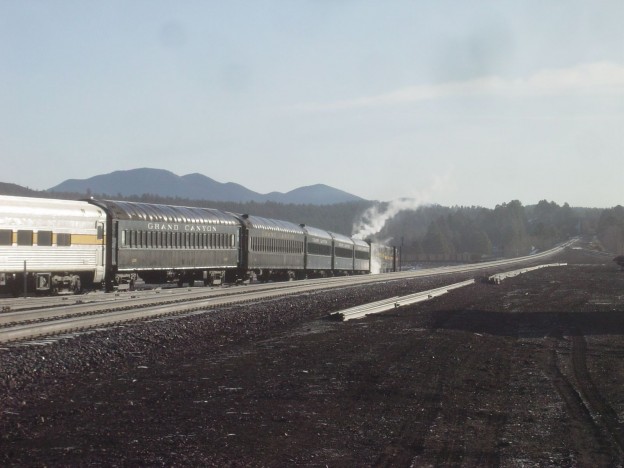
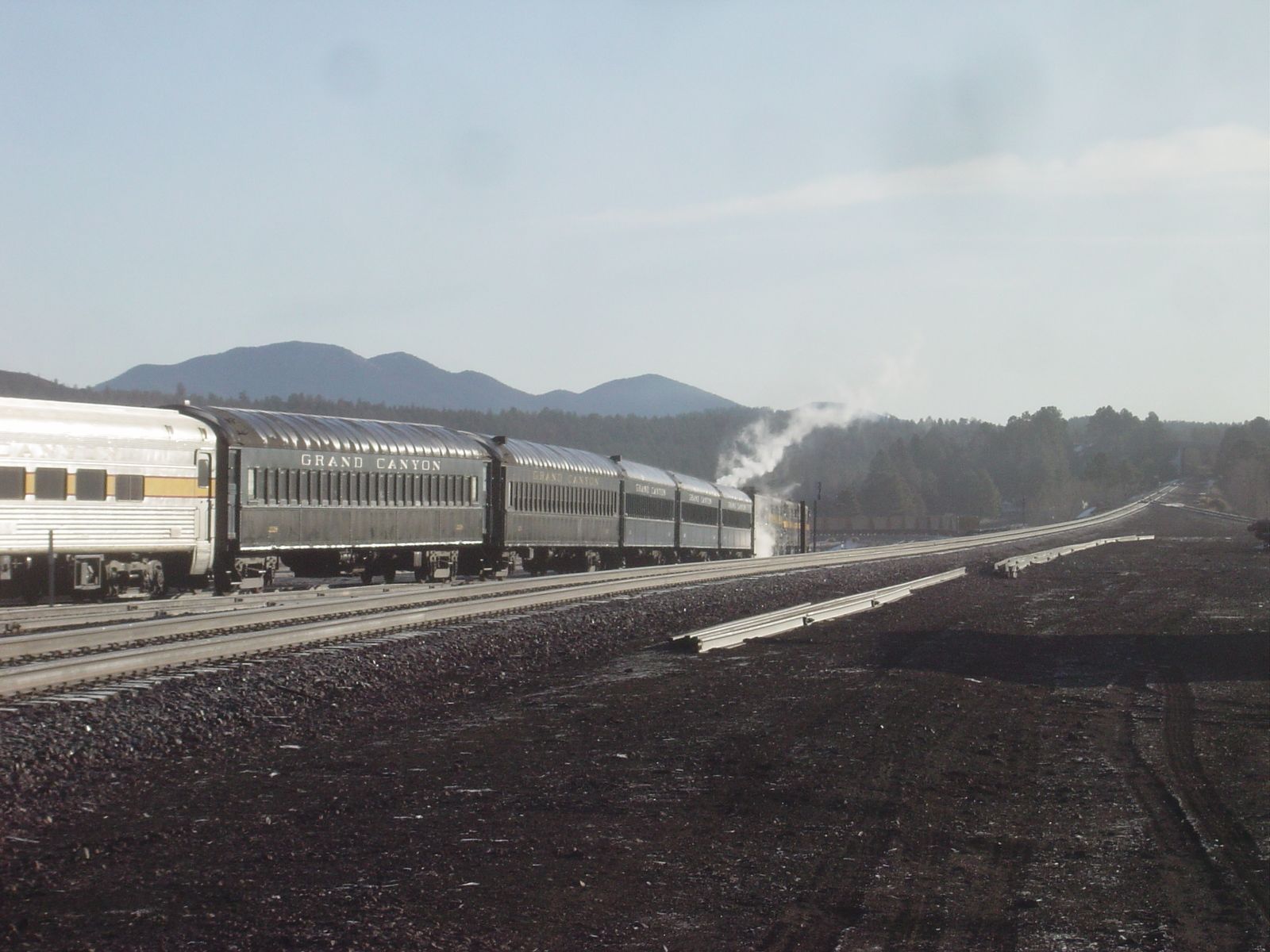
    Image, Grand Canyon Railway, Williams, Arizona, Sante Fe railway
    A train pulls of the Santa Fe railway at Williams Arizona to join the Grand Canyon Railroad

    As I tweeted earlier this morning, today at Think Up I have been working on Build Camp, a concept for a week-long hands-on learning event designed to encourage young people to take on a career in civil engineering. For some time now we have been proposing an event based around the idea of students designing and building their own railway in a week. Today we were looking at how to create a context for the event around which on-site role play activities can be built. Today’s idea was to use the construction of the first american transcontinental railroad as the context, for reasons explained in the following text, extracted from some my draft web copy for the soon-to-be-online Build Camp website.

    Why the Pacific Railroad?
    Learning about the construction of a railway line is an excellent introduction to the world of civil engineering because it embraces so many aspects of the discipline, including: planning and surveying: structural, geotechnical and fluid mechanics; construction management. This event is set in the context of the construction of the Pacific Railroad, the first railway to cross the United States. The construction of this pioneering railway line was led by a team of engineers operating at the railhead. Engineers were responsible for:

    * Surveying and choose a route through the unknown territory ahead.
    * Designing cuttings, embankments, bridges, dams, causeways and tunnels as needed;

    * Sourcing local construction materials: fill for embankments; timber for sleepers; fuel for machinery;
    * Overseeing construction works
    * Organising the logistics of moving labour, materials and plant along the single-track line
    * Establishing camps for workers, sourcing food, and paying wages.

    These engineers were working in the unknown; it was 2000 miles back to headquarters, and so they had to rely on their own ingenuity and engineering judgement to solve the problems they encountered. By setting the role play for this event in the context of the Pacific Railroad we aim to harness that visionary and pioneering spirit, and demonstrates the potential engineers have to shape the world for the better. We are also providing a baseline against which the advances of modern railway construction can be illustrated.

    At present we are hoping to run a pilot of Build Camp in October. Keep an eye out for updates on the Think Up website for more information.
  • Diary of a contact day

    During my parental leave I am doing one ‘keeping in touch’ day a week. On that day, I deal with important queries on Think Up projects. Since my time in the office is very short, these keeping in touch days are an intense snap shot of lots of the stuff we are working on at the moment. Here are some highlights:

    • I was asked to put together a proposal for using web technology to help engineering students raise their levels of background engineering knowledge. Think Codeacademy meets Top Trumps, available through Workshed. I am particularly excited about this project because it will complement the work I will be doing at UCL as part of their teaching innovation scheme.
    • Today we finalised the detailed content of the Nuclear Island Big Rig. All the places on the event have now been allocated. We have been working on this project for over a year – it is fantastic to think that it kicks off on 1st July.
    • Following on from the sustainability teaching seminars that Think Up has been facilitating this year, I have been invited to speak at the Engineering Education for Sustainable Development conference in September.
    • We are gearing up to facilitate the next Imperial/Expedition Constructionarium week.
    • The lovely-sounding people at the Litmus Test got in touch to see if I would be the first engineer to perform at their show – I’d be happy to.

    I’ve heard that becoming a parent makes you more productive in the office. So far, keeping in touch days prove this to be true.


  • Negotiating the lifts at Kings Cross

    Negotiating the lifts at Kings Cross

    20130515-131350.jpg
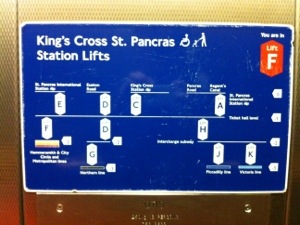
    Pushing a pram, as is my new daily habit, has made me much more aware of the relative accessibility or inaccessibility of London. Today I decided the best option for step-free interchange was to be at Kings Cross, where upon arriving I was presented with the lift schematic shown in this photo. Step-free, no doubt – and that is an achievement in itself – but by no means simple. I had to help two other sets of travellers interpret the map as we processed around the station.

    While I may criticise, the Underground is significantly more accessible to buggies than the Paris Metro, where there are simply no prams to be seen.

    I am of course fortunate that my access requirements are such that, should it be necessary, I can carry the buggy down the stairs. But pursuing step-free access around London does cause me to try out new routes, and to discover bits of stations that I’d never noticed before (at London Bridge, in particular). Perhaps not very profound, but another example of how parental leave is giving me a new perspective on things!

  • Archive photos/early attempts at developing/les arcs

    Archive photos/early attempts at developing/les arcs

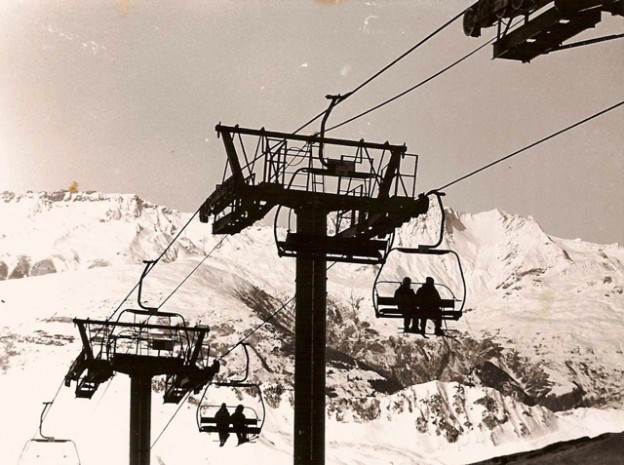
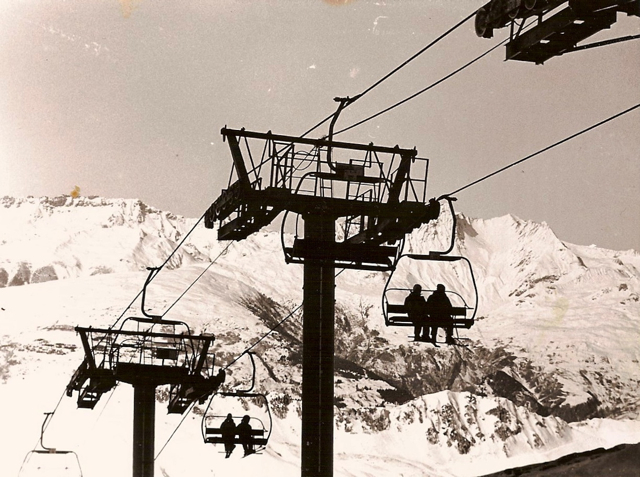
    Ski lift, high contrast, les arcs
    060201_les_arcs02
    060201_les_arcs03060201_les_arcs04

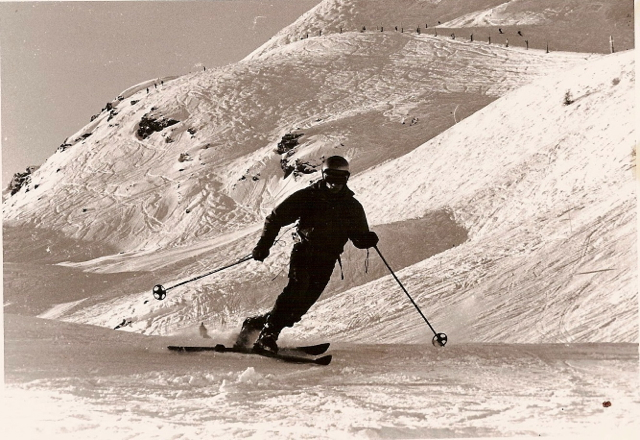
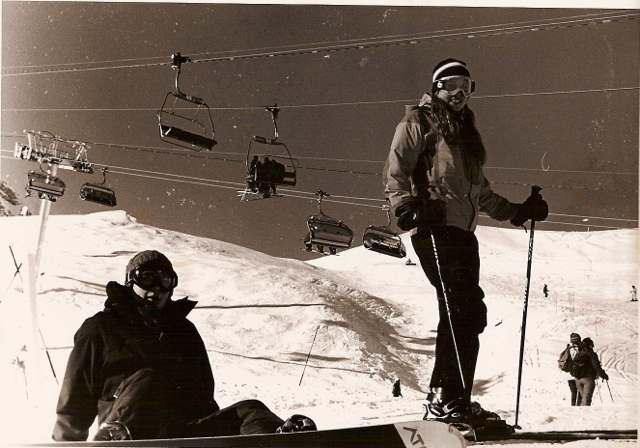
    Probably the best module I studied during my year at ENPC was not engineering-themed – but photography. The module was run as an English language course: the subject of the lessons was photography, and the lessons were in English. Being a native English speaker I was not able to get any credits for the module, but I gained much more. I still vividly remember the magic of seeing images emerge on pieces of paper submerged in solution. In just a few short hours of teaching I learned somethings that have been much more valuable to me than the hours of lectures I sat through on other subjects.

    These photos were taken on a weekend trip skiing at Les Arcs. Getting from Paris to the Alps by overnight train is easy by the way. The night train leaves from Gare d’Austerlitz, and arrives Bourg St Maurice, where there is a lift straight up to Les Arcs.

  • Babbling about Babel: penning a new routine for Science Showoff

    Babbling about Babel: penning a new routine for Science Showoff

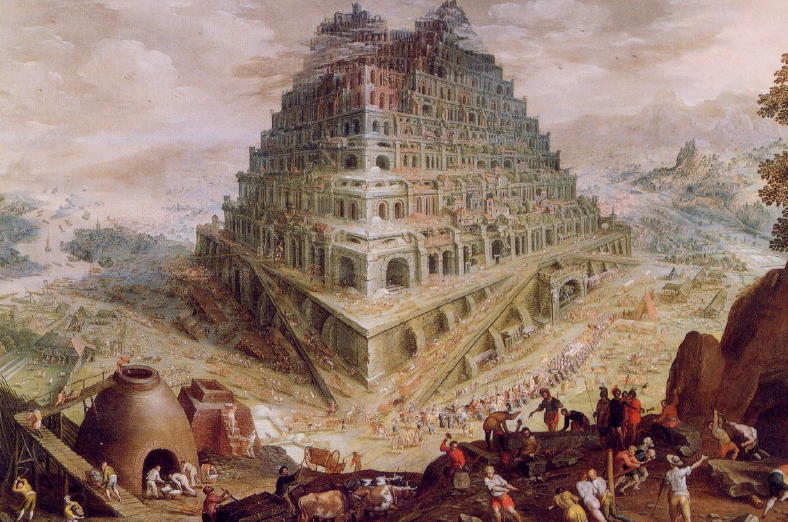
    I’ve just signed up to do a slot at the final Science Showoff to be held at the Wilmington Arms on Tuesday June 4th. I haven’t written any new material since January’s Structural Elements song, but the cogs are now whirling. The theme will be how an engineer would go about designing the Tower of Babel. A tall order, indeed.


    English: Tower of Babel
    English: Tower of Babel (Photo credit: Wikipedia)


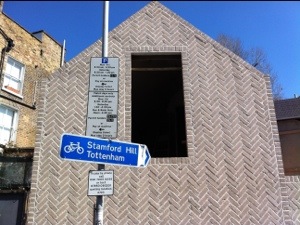
  • Herringbone Wall

    Herringbone Wall

    20130501-105255.jpg

    Spotted near Dalston

  • Things to do in Berlin: go to the Museum of Things

    On the to do list for my next visit to Berlin (which may not be for some time…*), the Museum of Things. See this link from the museum’s website on current exhibits (and this from the Guardian). The museum has recently added the Frankfurt Kitchen, a 1920s prototype of the modern kitchens with which we are familiar today. Reading about the Frankfurt Kitchen reminded me of an exhibition that I went to see on Charlotte Perriand (Design Museum profile), who was designing in the 30s the sorts of furniture that you’d recongise in Ikea today. From furniture design and architecture to music, I am always surprised just how old ‘modern’ is.

    *maybe in the meantime I should make the time to go to the Design Museum, London.

  • Using construction site notebooks as a teaching tool

    Today the Expedition-Imperial team met to plan their week at this year’s Constructionarium.

    The learning experience is intense on site at the Constructionarium, with students on their feet all day for five days building their projects. Along the way there is lots of background knowledge they can pick up about construction techniques, but it is easy for these nuggets to get lost in the blur of the overall experience.

    My suggestion was that this year we give all students a site notebook in which they can plan their activities, note useful info along the way and write up their daily activities. Of course, giving students a notebook doesn’t necessarily mean they’ll use it, so perhaps we can guide them by showing extracts from real site engineers’ notebooks. These could be shared as a teaching resource on Workshed.

    Earlier this year we bid for some innovation grant funding to develop methods for students to develop their general engineering knowledge. One of the ideas I was interested in exploring was the use of a site diary to develop this knowledge. This year’s Constructionarium looks like a good opportunity to test this approach.

  • Last day of teaching at Edinburgh

    Last day of teaching at Edinburgh

    Image

    Today I made my last teaching visit to Edinburgh for the term. I will go back once more in the spring time to evaluate the work that I have been involved in, and then will be it for my current tenure as a RAE-sponsored teaching fellow; however, there is scope to extend the funding, and we help to do so for another year. (more…)

  • The Return of Low Carb

    The Return of Low Carb

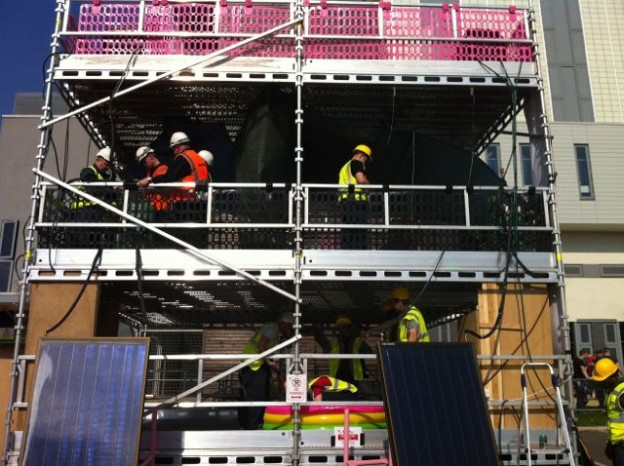
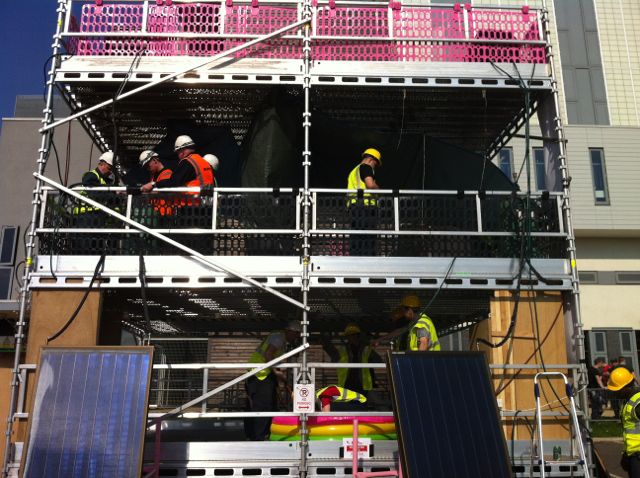
    Installation of solar-thermal water heaters on the Big Rig
    Installation of solar-thermal water heaters on the Big Rig

    Yesterday I was at the Big Rig facilitating the annual low-carbon skills challenge at the Big Rig. This is the fourth year in a row that Think Up has run the ‘Low Carb‘ event. I am very proud that since we came up with the Big Rig concept, 100s of students have taken part in Low Carb. (more…)

  • Facilitating the Global Grand Challenges Student Day

    Facilitating the Global Grand Challenges Student Day

    Royal Academy of Engineering, Microsoft Global Grand Challenges Summit, Think Up
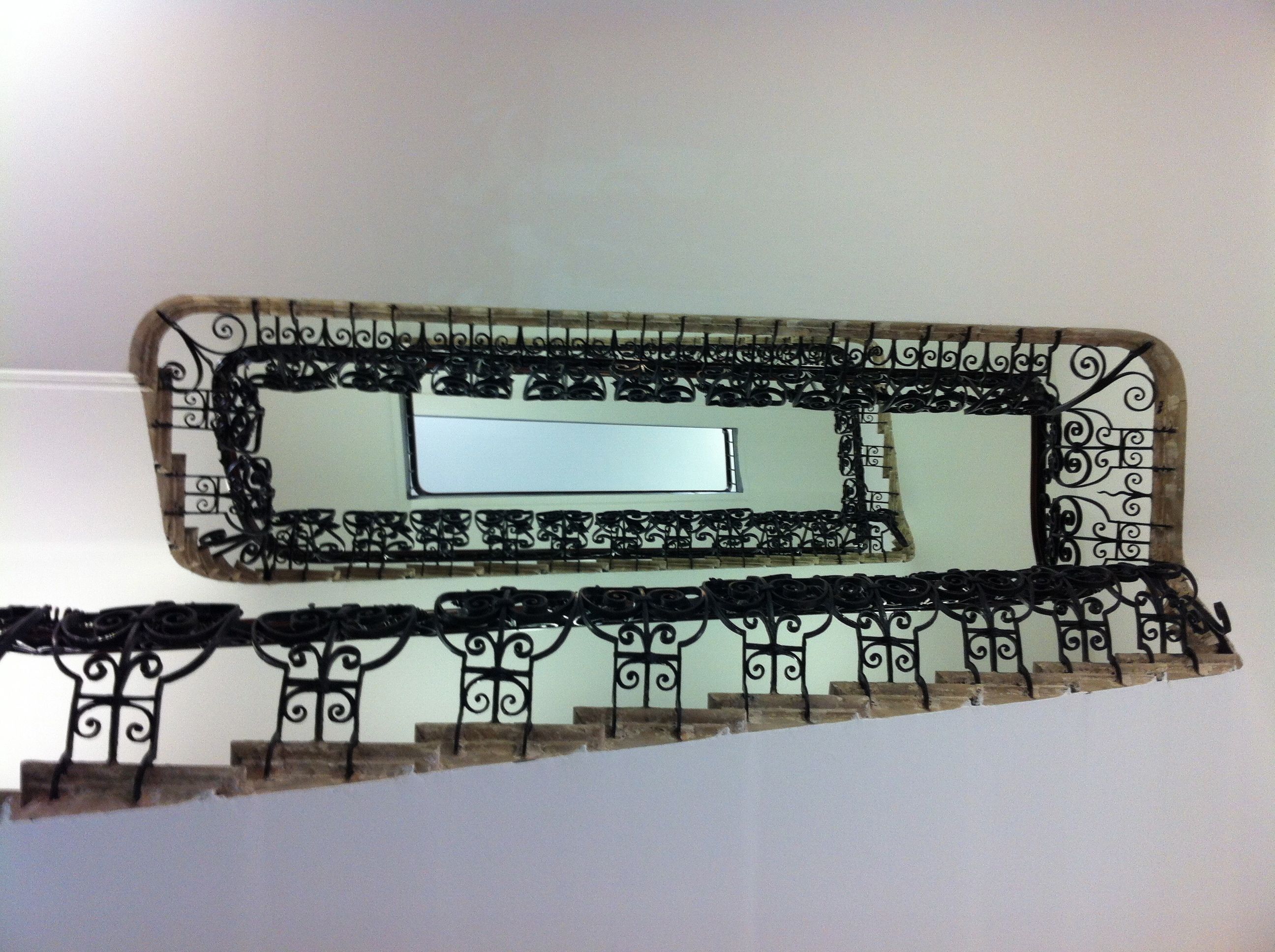
    Spiral staircase at the Royal Academy Engineering, taken on the morning of the Microsoft Global Grand Challenges Summit

    Today Think Up facilitated the Global Grand Challenges Student Day at the Royal Academy of Engineering. The student day is a prelude to the main Global Grand Challenges Summit which starts tomorrow. Our brief for designing the event was to choreograph a day of activities in which students from engineering universities around the world would come together and collaborate to develop a solution to six of the Global Grand Challenges. Our response was a programme that sought to unpick the creative process, and to enable students to examine what skills they need to develop to be better designers, all in the context of solving a major societal challenge. (more…)

  • Travelling on Eurostar with a baby

    Travelling on Eurostar with a baby

    Travelling on Eurostar with a baby
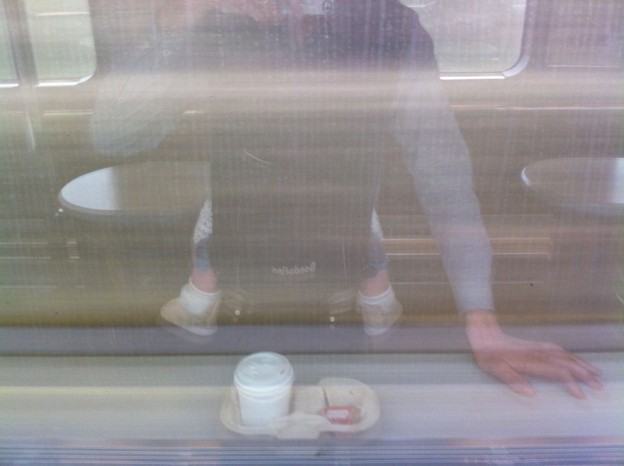
    Riding in the buffet car

    This week we took our 5-month old by Eurostar to Paris. The experience of travelling with a baby is adding a new perspective to my journeys. Long-distance train travel with a baby is by no means impossible. The couple travelling opposite us on the Eurostar last Friday were on their way to Florence by night train, having recently travelled to Venice and to Madrid by sleeper with their well-travelled toddler. Most things still feel possible – I just feel I want to know a little more in advance. So this post is for the benefit of other people seeking reassurance about travelling on Eurostar with a baby. (more…)

  • Tips for riding the Caledonian Sleeper on a work trip

    This is only the second time I have taken a night train as part of a business trip. As we slip into Edinburgh in the early morning, having left London Euston at midnight, I feel this journey has gone rather well (my trip by sleeper to Turin for work in 2008 was less successful). (more…)

  • Thames Cable Car Student Design Workshop

    Today I have been working on content for a new creative design workshop for civil engineering students based on the Emirates Airline. The workshop is part of my work with the civil engineering department at the University of Edinburgh. (more…)

  • Talking Sustainability in Bristol

    I’m just back from the first of six workshops I will be facilitating at universities around the country about how to embed sustainability in undergraduate civil engineering courses. The ICE and Royal Academy of Engineering commissioned Think Up to design and deliver these workshops to disseminate the findings of our sustainability teaching report. (more…)

  • Pursuing general knowledge – not such a trivial pursuit

    trivial pursuit

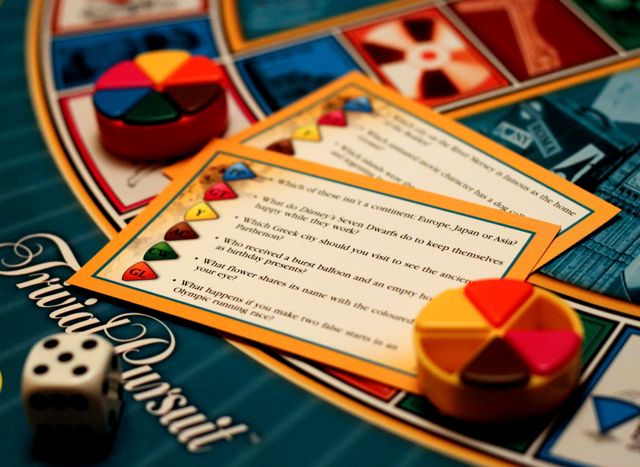
    The ability to design arguably sits at the top of Bloom’s taxonomy of learning, requiring as it does decent doses of creativity and evaluation. The foundations therefore of good design must be a broad general knowledge base. This certainly seems true in civil engineering. In order to quickly think up possible solutions to an engineering problem requires knowledge of material properties and behaviour, construction methods, costs, precedents, laws and codes etc. (more…)

  • Chemistry, engineering and Abbey Road studios

    Image

    My courting of the chemical engineering world continued today with a visit to the ChemEng department at Imperial. Today it got even better, because not only do chemical engineers get to use engineering and chemistry, but they get to sit in a huge control room that looks like the sound desk at Abbey Road studios. Or so it seems. (more…)

  • In praise of Fred Dibnah and Burt Munro

    Most of my work this week has been around designing events that help engineering students develop problem-solving skills. My opposite number at a meeting today cited Fred Dibnah, the famous chimney feller, and Burt Munro, the pioneering motorcycle land speed record holder, as examples of people who didn’t need engineering degrees to solve engineering problems.

    It’s too close to bed time to start writing about developing problem solving skills at undergraduate level. Instead, the stories of these two engineers make for a far more fascinating read.

  • Why did the Toucan cross the road?

    I was cycling from Islington to Old Street this afternoon and saw a sign saying ‘Cyclists, push button for Toucan crossing’. Odd, as there weren’t any Toucans in site.

    Joking aside, I realised I had no idea what this unusually named highway device is. So I look up Toucan crossing online to find out what that it is one of a menagerie of animal themed crossing devices. How many of the following have you heard of?

    Pelican crossing – this is the pedestrian crossing that everyone has heard of. It’s name apparently comes from PELICON, a shortening of pedestrian light controlled. From which a whole ark of possibilities emerges…

    Toucan crossing – this is one that both pedestrians and cyclists can use, so-called because ‘two-can’ cross. Clever.

    Puffin crossing – no, this is not a crossing for children. This is the one that has the pedestrian signal at eye-level above the button. It also includes a pedestrian sensor that checks when pedestrians have finished crossing. Hence the name pedestrian user-friendly intelligent crossing.

    Pegasus crossing – like a Toucan crossing, but this time for horses.

    Who knew?!

  • Dipping into chemical engineering

    For someone who has studied both chemistry and engineering, it is somewhat of a surprise that I have had so little exposure to the chemical engineering sector. I did go and meet the admissions tutor for chemical engineering at the University of British Columbia when I was 21, but was put off by the large format pictures of oil rigs. A year later, my fourth year chemistry research project ‘Solute Binding by Surfactant Molecules’ did have some application to the chemical engineering process of foam fractionation. Other than these flirtations over ten years ago, chemical engineering has been largely off my radar, until this afternoon. (more…)

  • The Architecture of Pasta Shapes

    I just spotted this while reading someone else’s Christmas present.

    “The more interesting pasta shapes, such as the shell-shaped conchiglie, or the ear-like orecchiette, didn’t just happen…Those clever twists and curls and flowing lines are much more drawing board than chopping board. Although as a sauce hound, I would suggest that Frank Gehry would probably make a better pasta designer than the late Mies van der Ruhe.”

    – Nigel Slater, The Kitchen Diaries Volume 2.

  • The Big Dig

    Big Dig

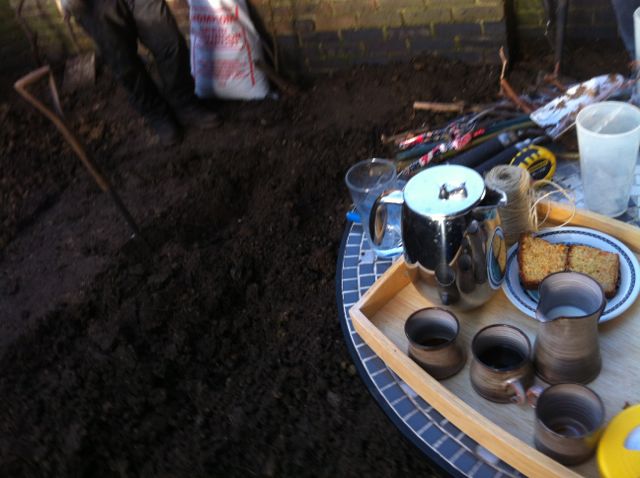
    This is not a post about the civil engineering megaproject to put a massive road underground in Boston. This is a post about spending a very satisfying day with a gang of friends and family ‘heaving hoe’ in our garden.

    (more…)

  • Going full circle on the Overground

    IMG_3920

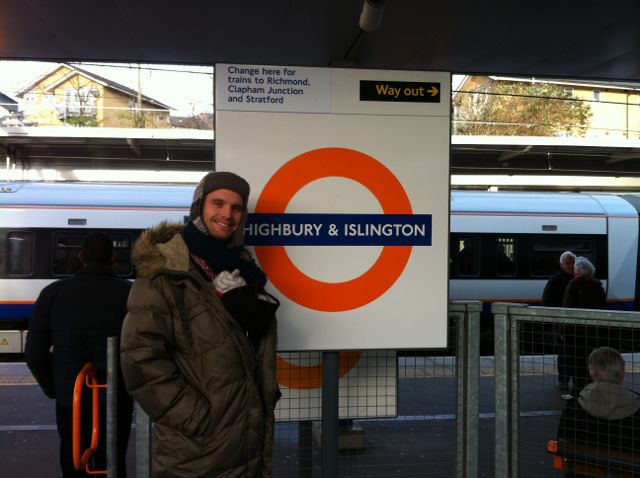
    I feel like a bit of a wally standing here in the rain at Clapham High Street Overground station. There are many shorter ways to get me home, which is diametrically across London from here. I could for example slice straight through the middle on the Northern Line. But I want to take the slow circumferential route simply because for the first time, I can. (more…)

  • A3 Hindhead Tunnel: User notes for the London-to-Portsmouth Motorist

    English: Hindhead Tunnel A3 Open Day 14th May ...
    English: Hindhead Tunnel A3 Open Day 14th May 2011 North Portal (Photo credit: Wikipedia)

    For many years the London to Portsmouth motorist would often have been delayed in tail-backs where the A3 wound its way up the closely packed contours of the Devil’s Punchbowl, a site of special scientific interest. But not so any more thanks to a twin-bore tunnel which sends the A3 beneath this stunning part of the Surrey landscape.

    Here are a few things for the curious motorcar driver to know on as he or she whizzes 65m under the landscape: (more…)

  • Skyfall, starring Daniel Craig…and Bazalgette’s sewerage system

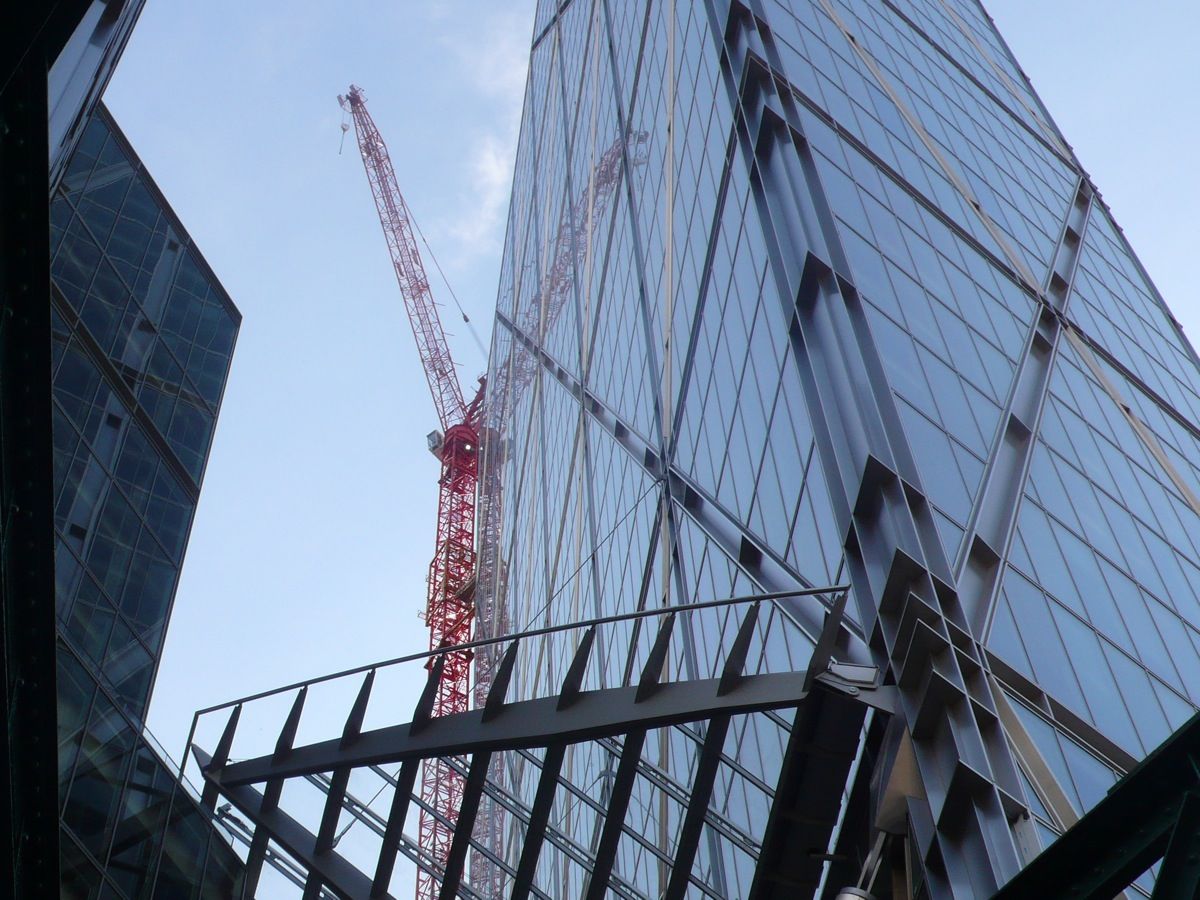
    Being set mostly in London, the latest James Bond film, Skyfall, takes us an action-packed tour of some the city’s great engineering projects: disused Underground tunnels, Bazalgette‘s embankment sewerage system, and even the ancient tunnels under Smithfields, adjacent to the Crossrail site at Farringdon. Even Bond is supposed to be scaling a skyscraper in Shanghai, it is in fact The Bishopsgate Tower (pictured). I was bemused to see that the meticulous plan of the villain seemed to depend on the District line running without delay. Was this meant as a joke?

  • An end to ‘nailing the start but messing up the finish’

    I find that when I am memorising any sort of sequence – song lyrics, dance moves, lines for a presentation – I usually over rehearse the beginning and spend hardly any time on the end. (more…)

  • Built in Britain

    Yesterday I watched the first episode of Evan Davis‘s two-part programme Built in Britain. If you like engineering then you’ll love this. It is great to see a big-budget BBC feature on civil engineering that both celebrates modern engineering projects in the UK, but also attempts to answer some of the more difficult questions that new infrastructure projects raise. I feel that engineering programmes usually feature the superlatives – biggest, tallest, longest, deepest – and miss the more important issues, like what societal benefit large-scale engineering projects do, or in some cases don’t, bring. The example of the A3 tunnel under the Devil’s Punch Bowl is a great example of how the case can be made for an expensive infrastructure projects (see links below). And the example of Kielder dam shows how risky predicting the future is.
    (more…)